

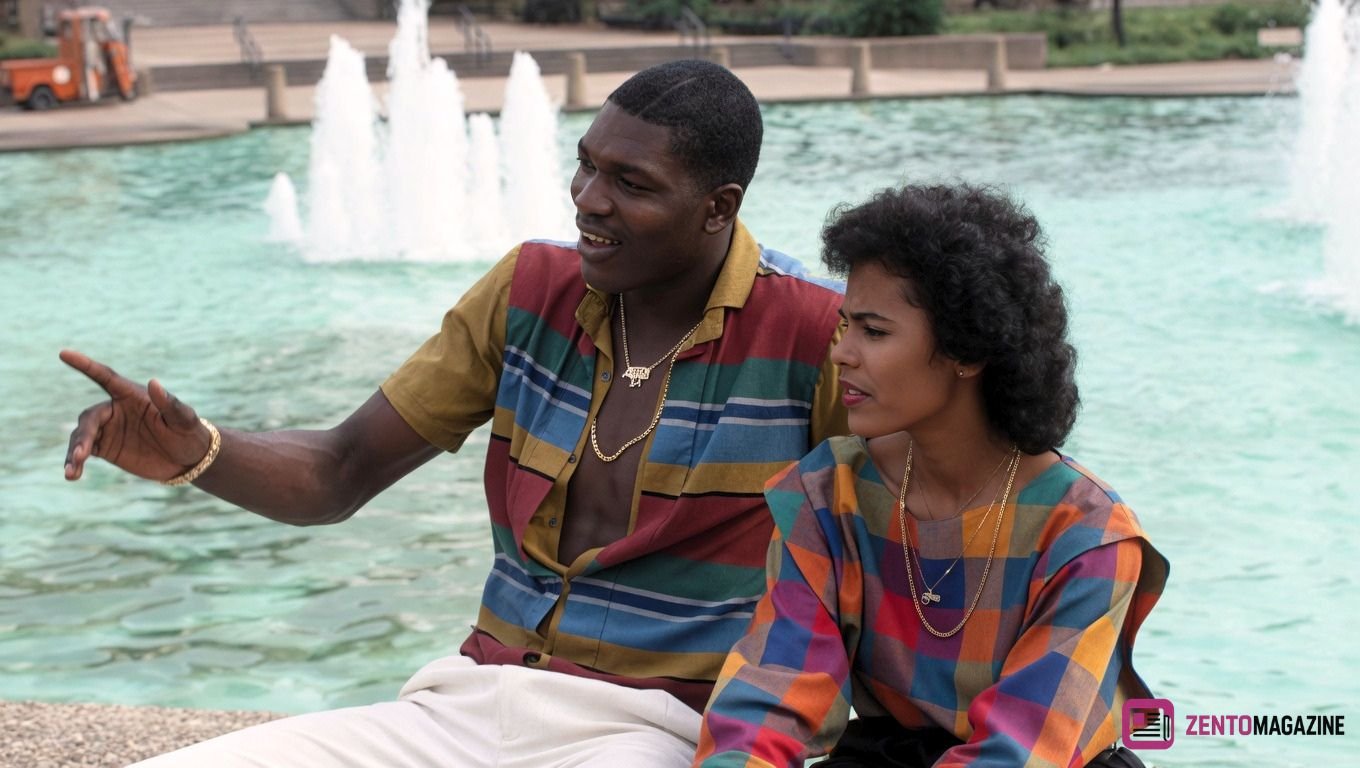
In the summer of 1996, an 18-year-old young woman from a Nigerian Muslim family in Houston said yes to marrying a 33-year-old NBA champion she had never met. No dating. No long courtship. Just families coming together, shared faith, and a quiet ceremony that would quietly last nearly three decades.
Dalia Asafi’s story stands out because it challenges so many modern assumptions about love and marriage. While celebrity unions often make headlines for drama and breakups, hers with Hakeem Olajuwon has remained grounded, private, and steady. This is the real story not the tabloid version, but the one rooted in culture, religion, and family trust.
| Label | Information |
|---|---|
| Full Name | Dalia Asafi (also known as Dalia Olajuwon) |
| Birth Year | 1978 |
| Age (as of 2026) | 48 years old |
| Birthplace | Nigeria |
| Nationality | Nigerian-American |
| Religion | Islam |
| Husband | Hakeem Olajuwon |
| Marriage Date | August 8, 1996 |
| Age at Marriage | 18 years old |
| Marriage Type | Islamic arranged marriage |
| Number of Children | 4 (with Hakeem) |
| Children | Abdullah, Abdulrahman (Aziz), Rahmah, Aisha |
| Known For | Private family life and strong faith |
| Current Residence | Houston, Texas area |
Who Is Dalia Asafi?
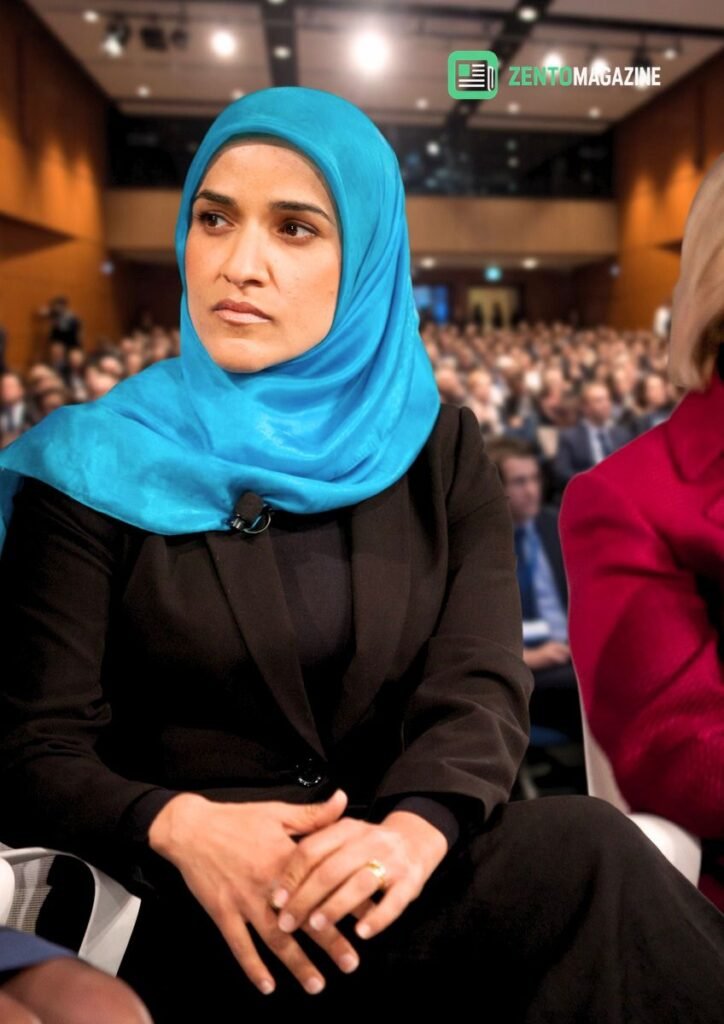
Dalia Asafi was born in 1978 in Nigeria. She grew up in a close-knit Muslim household where faith shaped everyday life. Prayer, respect for elders, modesty, and strong family bonds were not just values they were the rhythm of her childhood.
Like many immigrant families seeking better opportunities, hers moved to Houston, Texas, during her teenage years. The transition was significant. She adapted to life in a new country while holding tightly to her Nigerian roots and Islamic upbringing. Details about her schooling remain private, which fits the pattern of her life: she has always valued discretion over public attention.
Those who know the family describe Dalia as mature beyond her years. Her religious education gave her a sense of wisdom and clarity that impressed those around her. By the time she turned 18, she was ready for the next chapter one her family would help guide.
Hakeem Olajuwon in the Mid-1990s
By 1996, Hakeem Olajuwon was at the peak of his career. He had led the Houston Rockets to back-to-back NBA championships in 1994 and 1995. He was a Dream Team Olympian, a global superstar, and a man deeply respected in Houston’s Muslim community.
Olajuwon had experienced a personal spiritual renewal in the early 1990s. He deepened his practice of Islam and became known for his humility, discipline, and character off the court. In the local mosque, he was simply a brother in faith not just “The Dream.”
This reputation mattered. For Dalia’s family, character and shared values carried far more weight than fame or money.
The Mosque Connection That Changed Everything
The story begins at a Houston mosque where both families worshiped. Dalia’s father and Hakeem prayed there for years. Because men and women pray in separate areas, Hakeem had never seen Dalia or even met her mother.
When Dalia turned 18, her father approached Hakeem with a proposal. This was not impulsive. In Islamic tradition, families play a central role in helping choose a spouse. They look for compatibility in faith, values, and goals rather than relying on romantic sparks alone.
Hakeem later explained the process in his own words: “There is no dating process, no boyfriends and girlfriends in Islam. Families meet, talk, get to know one another. Then the marriage is arranged.”
The families spent time together. They discussed expectations, beliefs, and what mattered most for a lasting union. Only after this did a supervised meeting between Hakeem and Dalia take place. Both sides felt at peace with the match.
The Wedding Day August 8, 1996
On August 8, 1996, Dalia Asafi and Hakeem Olajuwon married in a simple, private Islamic ceremony in Houston. It was a first marriage for both. The event stayed low-key, with just close family present.
The 15-year age difference drew some public curiosity at the time, but those close to the family noted Dalia’s maturity. Olajuwon himself said she possessed “a maturity, knowledge and wisdom beyond her years” thanks to her background and faith.
No lavish reception made the news. No flashy honeymoon photos. Just two people beginning a life together with the blessing of their families and their shared commitment to Islam.
Blending Lives and Raising a Family
Early marriage brought adjustments. Hakeem was still playing in the NBA, traveling constantly. Dalia stepped into the role of wife and, soon after, mother. Hakeem already had a daughter, Abisola, from a previous relationship, and the family worked to create harmony.
Together, Dalia and Hakeem have four children: sons Abdullah and Abdul (often called Aziz), and daughters Rahmah and Aisha. The couple has emphasized education, faith, and humility in raising them. Some of their sons have pursued basketball, representing Jordan internationally, while the daughters have kept a similarly private profile.
Through the highs of championship fame and the quieter years after retirement, Dalia has focused on home and family. She has never sought the spotlight, rarely appearing in public or giving interviews. That choice reflects her values protecting peace and privacy in a world that often demands exposure.
Faith as the Foundation
What has kept their marriage strong for nearly 30 years? Shared faith sits at the center. Both come from Nigerian Muslim backgrounds. They view marriage not as a fleeting romance but as a partnership built on mutual respect, patience, and spiritual growth.
In Islamic teachings, love is expected to grow after marriage through kindness, mercy, and commitment. Dalia and Hakeem’s story illustrates this. They entered the union with clear eyes and family support, then nurtured it through daily life, challenges, and joys.
Their approach contrasts sharply with many high-profile relationships. While fame and wealth can strain marriages, their grounding in faith and family seems to have provided stability.
Addressing Common Questions and Misconceptions
People often wonder: Did Dalia have a real choice? In proper Islamic arranged marriages, consent from both parties is essential. The process involves consultation and agreement, not coercion. By all accounts, Dalia entered the marriage willingly and thoughtfully.
Others compare it to modern dating culture. The arranged path prioritizes long-term compatibility values, religion, family goals over initial attraction. Many who follow this tradition report that affection and love develop deeply over time.
The privacy Dalia maintains sometimes sparks curiosity. She has chosen a life away from social media and public events. This decision appears rooted in personal conviction rather than pressure. In a world where oversharing is common, her quiet strength feels refreshing to many.
Lessons from Their Journey
Dalia Asafi’s story offers thoughtful takeaways for anyone considering marriage today.
First, involving family and community can bring wisdom that young people might miss when left entirely on their own. Parents and elders often see compatibility more clearly.
Second, shared core values especially faith can sustain a relationship when feelings fluctuate. Romance matters, but deeper foundations matter more for the long haul.
Third, privacy has value. Not every moment needs to be documented or publicized. Protecting family life can create space for genuine connection.
Finally, maturity in marriage often comes from commitment rather than age or experience. Dalia’s journey shows that young people raised with strong principles can build enduring partnerships.
A Quiet Strength That Endures
Almost three decades later, Dalia Asafi remains the steady presence behind one of basketball’s most respected figures. She has navigated fame without letting it define her. She has raised children while honoring her faith and heritage. And she has shown that an arranged marriage, when rooted in trust and values, can flourish beautifully.
Her story reminds us that love takes many forms. Not every great romance begins with fireworks or chance meetings. Some are carefully guided by family, blessed by faith, and strengthened through years of quiet dedication.
In a noisy world, Dalia Asafi’s choice to live intentionally and privately stands as its own kind of success. It is a testament to the power of tradition, the depth of commitment, and the enduring beauty of a life built on something deeper than fleeting passion.
Frequently Asked Questions
How did Dalia Asafi and Hakeem Olajuwon meet?
They never dated or met casually. Their families arranged the marriage through their shared Houston mosque. Dalia’s father approached Hakeem when she turned 18, and the families met to discuss values and compatibility before a supervised introduction took place.
Was Dalia Asafi forced into the arranged marriage?
No. In keeping with Islamic tradition, both Dalia and Hakeem gave their consent. The process involved family guidance rather than coercion, and Dalia entered the marriage willingly with full awareness of the commitment.
How many children do Dalia Asafi and Hakeem Olajuwon have?
They have four children together: sons Abdullah and Abdul (Aziz), and daughters Rahmah and Aisha. Dalia also helped raise Hakeem’s daughter Abisola from a previous relationship. The family emphasizes faith, education, and privacy.
How long have Dalia Asafi and Hakeem Olajuwon been married?
They married on August 8, 1996, and have been together for nearly 30 years. Their union stands out for its stability, grounded in shared faith and family values rather than public attention.
Why does Dalia Asafi stay out of the spotlight?
She has always chosen a private life focused on motherhood, faith, and family. This decision reflects her personal values and cultural background, allowing the family to raise their children away from celebrity pressures.
