

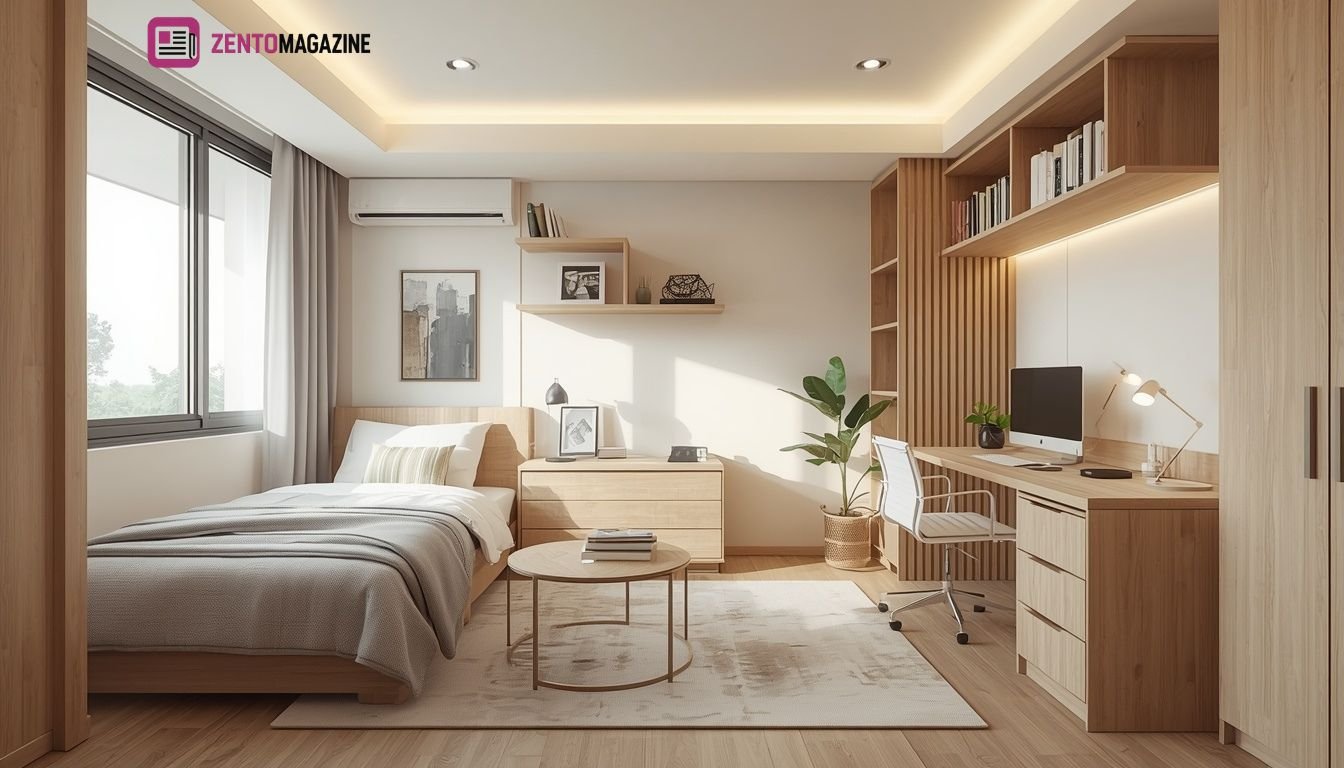
An 8×7 room may sound small at first, but with thoughtful planning, it can become a comfortable bedroom, study area, home office, dressing room, or compact guest space. The real secret is not adding more things. It is choosing the right layout, furniture, colors, lighting, and storage so every inch has a clear purpose.
A room that measures 8 feet by 7 feet gives you about 56 square feet to work with. That is not a lot of floor area, so every decision matters. A bulky bed, heavy curtains, dark walls, or too much furniture can make the room feel tight. On the other hand, a smart layout, light colors, wall storage, and simple decor can make the same space feel open, calm, and useful.
| Label | Information |
|---|---|
| Topic | 8×7 Room Planning |
| Room Size | 8 feet × 7 feet |
| Main Purpose | Space-saving room design |
| Best Use | Bedroom, office, or study room |
| Ideal Style | Minimal and functional |
| Recommended Colors | Light white, beige, soft gray |
| Best Furniture | Compact and multi-functional |
| Storage Solution | Vertical and under-bed storage |
| Lighting Tip | Use natural and layered lighting |
| Space-Saving Feature | Floating shelves and foldable furniture |
| Common Mistake | Overcrowding the room |
| Key Benefit | Makes small spaces feel larger |
Understand the Room First
Before buying furniture or decorating, take time to understand the room properly. Measure the width, length, ceiling height, window size, door swing, sockets, and any built-in features. In a small room, even a few inches can change the whole layout.
The biggest mistake people make in an 8×7 room is guessing. A bed that looks small in a store may feel oversized once placed inside the room. A desk may block the door. A wardrobe may cover natural light. Good planning starts with accurate measurements.
Keep the Layout Simple
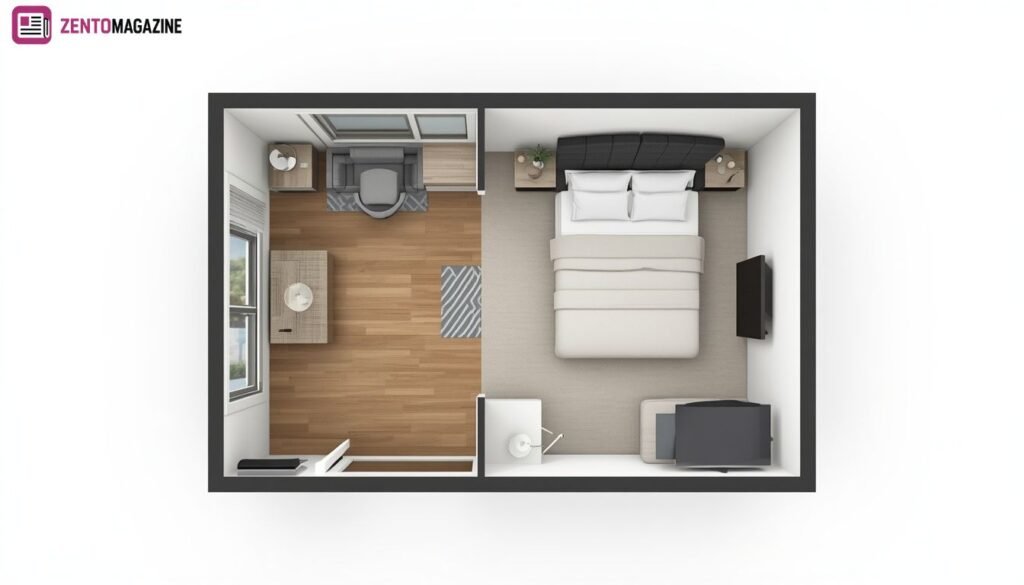
A small room works best when the layout is easy to move through. Try to keep the center of the room as open as possible. Place larger furniture against the walls and avoid blocking the entrance.
If the room is used as a bedroom, place the bed along the longest wall. This usually creates better walking space. If the room is used as an office, place the desk near natural light but make sure the chair can move back comfortably.
The goal is to create a layout that feels natural. When you walk in, the room should not feel crowded immediately.
Choose One Main Purpose
An 8×7 room can do many things, but it should not try to do everything at once. Decide the main purpose first. Is it a bedroom? A study room? A work-from-home space? A dressing area? A small guest room?
Once the main purpose is clear, every item should support that purpose. For example, if it is a bedroom, the bed and storage matter most. If it is a home office, the desk, chair, lighting, and cable control should come first.
This simple decision prevents clutter and helps the room feel more intentional.
Use Small-Scale Furniture
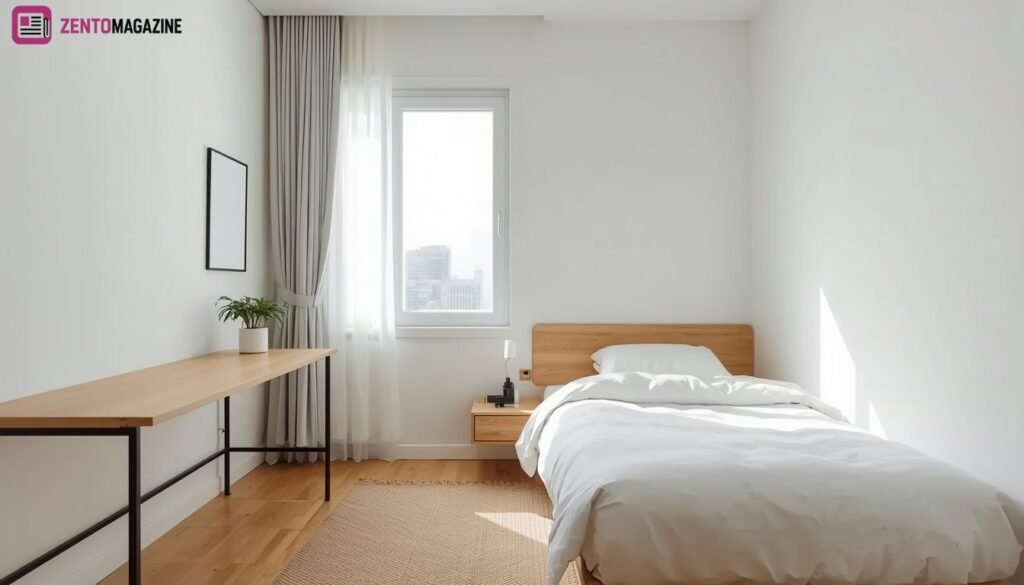
Furniture scale is one of the most important parts of small room planning. Oversized furniture can make an 8×7 room feel cramped, even if the furniture is beautiful. Choose slim, simple pieces with clean lines.
A narrow bed frame, compact desk, floating shelf, or tall storage unit can work better than wide, heavy furniture. Avoid thick headboards, deep cabinets, and large side tables unless they serve a strong purpose.
In small rooms, furniture should feel light, not bulky.
Pick Multi-Use Pieces
Multi-functional furniture is very helpful in an 8×7 room. It gives one piece more than one job, which saves both money and space.
A storage bed can hold blankets, clothes, or seasonal items. A foldable desk can become a work area during the day and disappear when not needed. A storage bench can offer seating and hidden space. A wall-mounted table can work as a study desk without taking up permanent floor space.
The best small-room furniture earns its place.
Go Vertical
When floor space is limited, walls become valuable. Vertical storage helps keep the room organized without filling the floor.
Use tall shelves, wall hooks, floating cabinets, pegboards, or over-the-door organizers. These options help store books, bags, accessories, files, and daily-use items in a neat way.
Vertical storage also draws the eyes upward, which can make the room feel taller and more open. Just avoid covering every wall, because too much wall storage can also create visual clutter.
Keep the Floor Clear
A clear floor makes a small room feel bigger almost instantly. Shoes, boxes, cables, bags, and random items can make an 8×7 room feel smaller than it really is.
Use under-bed storage, baskets, hooks, and closed cabinets to keep things off the floor. Choose furniture with legs if possible, because seeing some floor underneath furniture gives a lighter feeling.
Even a small open pathway can change the mood of the room.
Use Light Colors
Color has a big effect on how spacious a room feels. Light shades reflect more light and create a softer, airier look. White, cream, pale beige, soft gray, warm ivory, and light pastels are safe choices for an 8×7 room.
This does not mean the room has to look plain. You can add warmth through bedding, cushions, rugs, wood tones, or small decor pieces. The key is to keep the main surfaces calm and bright.
Dark colors can still work, but they should be used carefully, such as on one small accent wall or in accessories.
Let Light In
Natural light is one of the easiest ways to make a small room feel larger. Avoid placing large furniture in front of windows. Use light curtains, blinds, or sheer panels that allow brightness into the room.
Heavy curtains can make an 8×7 room feel closed in. If privacy is needed, choose simple window treatments that do not add too much weight.
A bright room usually feels cleaner, fresher, and more comfortable.
Add Layered Lighting
One ceiling light is often not enough in a small room. Layered lighting gives the space depth and makes it more practical.
Use a ceiling light for general brightness, a wall sconce or desk lamp for focused tasks, and soft lighting near the bed or shelf for warmth. Wall-mounted lights are especially useful because they do not take up table space.
Good lighting can make a small room feel more designed and less boxed in.
Use Mirrors Carefully
Mirrors are a classic small-room trick because they reflect light and create visual depth. In an 8×7 room, a mirror placed opposite or near a window can make the room feel brighter.
A tall mirror can also make the ceiling feel higher. A mirrored wardrobe door can work well if storage is needed.
However, avoid using too many mirrors. One well-placed mirror is usually enough to create the effect without making the room feel busy.
Choose Smart Storage
Storage is where small rooms either succeed or fail. In an 8×7 room, clutter builds up quickly, so storage must be planned from the start.
Use under-bed drawers, storage ottomans, tall cabinets, wall shelves, baskets, and drawer dividers. Closed storage is better for items that do not look neat, while open shelves are best for books, decor, or everyday essentials.
The room should have a place for everything. When things have a proper home, the space feels calmer.
Avoid Too Much Decor
Decor adds personality, but too much of it can overwhelm a small space. Choose a few meaningful pieces instead of filling every surface.
One framed print, a small plant, a simple rug, or a textured cushion can add warmth without crowding the room. Keep surfaces like desks, shelves, and bedside tables clean.
A human, lived-in room does not need to be empty. It just needs breathing space.
Pick the Right Rug
A rug can help make an 8×7 room feel warmer and more complete. Choose a rug that fits the layout rather than one that looks randomly placed.
For a bedroom, the rug can sit partly under the bed and extend out where your feet land. For an office, a flat rug under the desk can define the work zone. Light-colored rugs usually help the room feel more open.
Avoid very dark or heavily patterned rugs if the room already feels small.
Plan an 8×7 Bedroom
If the 8×7 room is used as a bedroom, focus on the bed first. A single bed, daybed, or compact double bed may work depending on the room shape and door position.
Use a bed with built-in drawers if storage is limited. Replace bulky bedside tables with floating shelves or narrow wall-mounted options. Keep bedding simple and avoid too many pillows.
The bedroom should feel restful, not crowded.
Plan an 8×7 Office
An 8×7 room can make a comfortable home office if planned correctly. Place the desk where there is good light, but avoid glare on the screen. Choose a compact desk with drawers or wall storage above it.
Use a comfortable chair that fits under the desk when not in use. Keep cables hidden with clips, trays, or cable boxes. Add a small shelf for documents instead of using the floor.
A small office works best when it stays clean and focused.
Plan an 8×7 Kids’ Room
For a child’s room, storage and safety matter most. Use low storage bins for toys, wall shelves for books, and a bed with drawers underneath.
If two children share the room, a bunk bed may help save space. Keep the play area open and avoid too much furniture.
Children’s rooms often collect clutter quickly, so simple storage routines are important.
Avoid Common Mistakes
Many small rooms feel cramped because of avoidable mistakes. The most common mistake is buying furniture before measuring. Another mistake is using too many small items, which can make the room feel messy.
Dark curtains, poor lighting, oversized wardrobes, and blocked windows can also reduce the feeling of space. Ignoring vertical storage is another missed opportunity.
A good 8×7 room is not about perfection. It is about making practical choices that support daily life.
Keep It Easy to Maintain
A small room should be easy to clean and reset. If the room takes too much effort to maintain, it will quickly become cluttered again.
Use simple systems. Keep daily-use items within reach. Store occasional-use items higher up or under the bed. Remove things that no longer serve a purpose.
The easier the room is to maintain, the bigger and more peaceful it will feel.
Final Thoughts
An 8×7 room may be compact, but it can still feel stylish, useful, and comfortable. The key is to respect the size of the space and plan with care.
Choose furniture that fits, use vertical storage, keep the floor clear, bring in light, and avoid unnecessary clutter. Small changes can make a big difference when every inch matters.
With the right planning, an 8×7 room can become more than a small space. It can become one of the most practical and well-loved rooms in the home.
FAQs About 8×7 Room Planning
What is the best bed size for an 8×7 room?
A single bed or compact double bed usually works best in an 8×7 room. Beds with built-in storage are even better because they help save floor space and reduce clutter.
How can I make an 8×7 room look bigger?
Use light paint colors, mirrors, layered lighting, and minimal furniture. Keeping the floor clear and using vertical storage can also make the room feel more open and spacious.
Can an 8×7 room work as a home office?
Yes, an 8×7 room can become a practical home office with a compact desk, wall shelves, and smart cable management. Keeping the layout simple helps improve comfort and productivity.
What colors work best in a small 8×7 room?
Soft white, beige, pale gray, and light pastel shades are ideal for small spaces. These colors reflect more light and create a brighter, more airy feeling.
How do I add storage to an 8×7 room without overcrowding it?
Use wall-mounted shelves, under-bed drawers, hanging organizers, and furniture with hidden storage. These solutions help maximize space without making the room feel cramped.
