

Introduction
There’s something wrong with Aunt Diane is one of the most disturbing and debated true-crime documentaries because it does not follow a simple mystery. It follows a real tragedy, a family’s grief, and a question that still feels painful years later: how could a trusted mother and aunt suddenly drive the wrong way on a highway with children in her vehicle?
The documentary focuses on Diane Schuler, a 36-year-old woman from New York whose name became nationally known after the fatal Taconic State Parkway crash in 2009. The accident killed eight people, including Diane, her young daughter, three nieces, and three men in another vehicle.
What makes this case so haunting is not only the crash itself, but the gap between Diane’s public image and the official investigation. Her family described her as responsible, organized, loving, and dependable. Investigators, however, found evidence that pointed to alcohol and marijuana use before the crash.
This article explains what happened, what the documentary presents, why the case became controversial, and why people still search for answers today.
| Label | Information |
|---|---|
| Title | There’s Something Wrong with Aunt Diane |
| Type | Documentary Film |
| Genre | True Crime |
| Release Year | 2011 |
| Director | Liz Garbus |
| Country | United States |
| Main Subject | Diane Schuler Case |
| Based On | 2009 Taconic Crash |
| Key Theme | Unanswered Questions |
| Investigation Focus | Crash Causes |
| Notable Topic | Family Perspectives |
| Victims | Eight Fatalities |
| Legacy | Widely Discussed Documentary |
What Is the Documentary About?
There’s something wrong with Aunt Diane is an HBO documentary directed by Liz Garbus. It examines the tragic events of July 26, 2009, and tries to understand what led Diane Schuler to drive her minivan the wrong way on the Taconic State Parkway.
The film is not just about a car accident. It is about denial, grief, family loyalty, toxicology results, and the emotional difficulty of accepting facts that do not match the person loved ones remember.
The documentary includes interviews with Diane’s husband, relatives, investigators, and people connected to the case. It also shows how strongly Diane’s family questioned the official explanation. Their belief was that something medical or unusual must have happened, because the Diane they knew would never knowingly put children in danger.
That tension is the heart of the documentary. Viewers are left facing two painful realities: the official evidence and the family’s emotional refusal to believe it.
Who Was Diane Schuler?
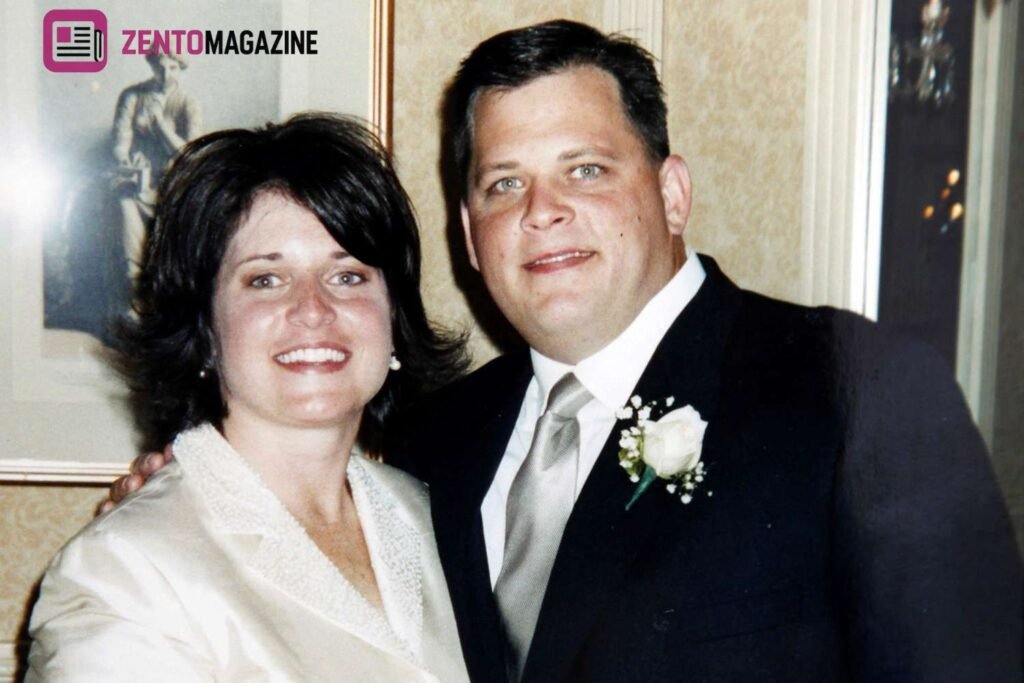
Before the crash, Diane Schuler was not known to the public. She was a wife, mother, aunt, and working woman who lived what many people saw as a normal suburban life.
Those close to her described her as capable and in control. She was often presented as the person who handled responsibilities, cared for children, and kept things organized. This image became important after the crash because it seemed completely opposite to the behavior reported on the road that day.
Diane was driving with five children in the minivan: her own two children and her brother’s three daughters. The children had been with the family during a camping trip in the Catskills. Her husband left the campground separately in another vehicle.
By most accounts, nothing seemed clearly wrong when the family left the campground that morning. This is one reason the case became so confusing. If Diane appeared normal earlier in the day, what changed before the crash?
The Day of the Crash
On July 26, 2009, Diane Schuler left a campground in Parksville, New York, with five children in a red Ford Windstar minivan. The group was heading home toward Long Island after a family camping trip.
During the drive, Diane stopped at places including a McDonald’s and a gas station. Reports later suggested she may have been looking for pain medication, possibly because of a tooth problem. Witnesses and employees who saw her earlier did not always describe her as obviously drunk or impaired, which added to the confusion.
As the drive continued, callers began reporting a red minivan being driven dangerously. Some witnesses described aggressive driving, swerving, and unusual behavior. Later, the minivan entered the Taconic State Parkway in the wrong direction.
Diane drove south in the northbound lanes for about 1.7 miles. The minivan eventually collided head-on with an SUV. The crash was devastating and left multiple families broken forever.
The Victims
The accident killed eight people. Diane Schuler died in the crash, along with her 2-year-old daughter and her three nieces. Three men in the SUV were also killed.
Diane’s young son survived but was seriously injured. His survival became one of the few living connections to the final moments inside the vehicle.
The loss was especially heartbreaking because several children were involved. The crash was not only a news story; it was a family tragedy on both sides. The victims’ families had to live with the pain of sudden loss, public attention, and unanswered questions.
This is why the story still feels heavy. Behind every theory and debate, there were real people whose lives ended in a moment.
The Investigation
After the crash, investigators began piecing together Diane’s route, behavior, phone calls, witness reports, and toxicology results.
The toxicology findings became the most important and controversial part of the case. Officials reported that Diane had a high blood alcohol level and THC, the active compound in marijuana, in her system. A broken vodka bottle was also found in the wreckage.
The official conclusion was that Diane was impaired at the time of the crash. For investigators, the toxicology results helped explain the dangerous driving, wrong-way entry, and failure to stop despite other drivers trying to warn her.
But for Diane’s family, the results did not make sense. They argued that she was not known as a heavy drinker and would never intentionally drive drunk with children in the car. This disagreement became the central conflict explored in there’s something wrong with Aunt Diane.
Why the Case Became Controversial
The controversy came from the difference between Diane’s image and the evidence.
To the public, the toxicology results seemed clear. A driver with alcohol and marijuana in her system drove the wrong way and caused a deadly crash. Many people viewed the case as a tragic example of impaired driving.
To Diane’s family, that explanation felt impossible. They believed something else must have caused her behavior. They raised questions about a possible medical emergency, severe pain, confusion, or an undetected health problem.
The documentary shows how difficult it can be for families to accept evidence when it destroys the memory of someone they loved. Diane was not just “the driver” to them. She was a wife, mother, sister-in-law, and aunt.
That emotional conflict is what makes the case so uncomfortable. It asks whether love can blind people to evidence, and whether evidence can ever fully explain human behavior.
The Medical Theory
One of the main alternative explanations discussed in the documentary is that Diane may have suffered a medical emergency.
Some suggested she could have had a stroke, aneurysm, diabetic episode, or another sudden condition that affected her judgment. Others pointed to reports of a tooth abscess or pain that may have caused distress during the drive.
The medical theory is emotionally understandable because it offers a different version of Diane’s final hours. Instead of seeing her as reckless or impaired, it presents her as someone who may have been confused, sick, or desperate.
However, the official autopsy did not support major medical causes such as a stroke or heart attack. That weakened the medical explanation, though it did not stop people from discussing it.
The documentary does not completely close the door on every possibility, but it makes clear that the toxicology results remain central to the official understanding of the crash.
The Substance Use Question
The most difficult part of the case is the question of alcohol and marijuana.
Officials reported that Diane had a blood alcohol level far above the legal limit and also had THC in her system. This was shocking because many relatives and friends described her as someone who did not behave like a problem drinker.
This contradiction created a painful question: was Diane secretly drinking or using substances more than people knew?
Some cases of substance use remain hidden even from close family members. People can maintain a responsible image while privately struggling with alcohol, drugs, stress, or emotional pressure. That does not prove every claim about Diane, but it does explain why the case became so hard for viewers to process.
The documentary leaves many viewers wondering whether Diane’s loved ones truly did not know, or whether the truth was simply too painful to accept.
How the Documentary Handles the Story
There’s something wrong with Aunt Diane is powerful because it does not present the story like a simple crime show. It spends time with grief, silence, denial, anger, and confusion.
The film allows Diane’s family to speak at length. It shows their disbelief and their search for another explanation. At the same time, it includes evidence that challenges their position.
This creates a tense viewing experience. The audience is not only watching a timeline of events. They are watching people struggle with the collapse of a family narrative.
The documentary’s tone is serious and emotionally restrained. It does not need dramatic tricks because the real story is already devastating. Its strength comes from how it presents the conflict between facts and memory.
Why Viewers Still Discuss It
Years later, people still talk about there’s something wrong with Aunt Diane because the case does not feel emotionally settled.
The toxicology results provide an official answer, but they do not answer every personal question. Why did Diane leave that morning appearing normal? Why did she keep driving despite danger? Why were there no clearer warning signs before the crash? What was happening inside her mind during those final minutes?
These questions keep the case alive in true-crime discussions.
Another reason the documentary remains popular is that it challenges the idea that we fully know the people closest to us. Diane’s family believed they knew her character. The evidence suggested there may have been hidden parts of her life or behavior.
That possibility is deeply unsettling. It turns the case from a traffic tragedy into a study of family, secrecy, and human complexity.
Public Reaction
Public reaction to the case was intense. Many people were angry because children were killed and innocent people in another vehicle lost their lives. For them, the toxicology results made the case feel clear and unforgivable.
Others felt sympathy for Diane’s family because their grief was complicated by shame, media attention, and public judgment. They lost loved ones too, while also facing the painful possibility that Diane caused the tragedy through impaired driving.
The documentary did not remove that tension. In fact, it made the public debate stronger. Some viewers came away believing the official findings completely. Others focused on the unanswered questions and wondered whether something more happened.
This divided response is one reason the film still has a lasting place in true-crime documentary culture.
The Role of Denial
One of the strongest themes in the documentary is denial.
Denial is not always a simple refusal to accept facts. Sometimes it is a survival response. When the truth is too painful, the mind searches for another version of events that feels easier to live with.
For Diane’s family, accepting the official explanation meant accepting that someone they loved may have driven while impaired with children in the car. That is an almost unbearable truth.
The documentary shows denial in a deeply human way. It does not make grief look clean or simple. It shows how people can cling to memories, defend loved ones, and question evidence because the alternative feels emotionally impossible.
This is why the film feels personal even to viewers who never knew anyone involved.
Lessons from the Tragedy
The tragedy behind there’s something wrong with Aunt Diane carries several painful lessons.
The first is the danger of impaired driving. Alcohol and drugs can affect judgment, reaction time, perception, and decision-making. When children and other drivers are involved, the consequences can be catastrophic.
The second lesson is about hidden struggles. People who appear strong, organized, and dependable may still be dealing with private pain, stress, substance use, or emotional pressure. Families often discover these things only after something terrible happens.
The third lesson is about listening to warning signs. Confusion, erratic behavior, physical distress, or unusual driving should never be ignored. In a dangerous situation, quick action can matter.
Most importantly, the case reminds us that one decision can permanently change many lives.
What Really Happened?
So, what really happened?
Based on the official findings, Diane Schuler was impaired by alcohol and marijuana when she drove the wrong way on the Taconic State Parkway and caused a fatal crash. That is the legal and investigative conclusion most strongly supported by the evidence.
At the same time, the emotional mystery remains. The documentary shows why Diane’s family struggled to accept that conclusion and why the public still debates the details.
The most honest answer is that the evidence explains the physical cause of the crash, but it does not fully explain Diane’s inner state, choices, or hidden life. That gap is what makes the story so haunting.
There’s something wrong with Aunt Diane is not only about finding blame. It is about how difficult truth becomes when it destroys the image of someone people loved.
Conclusion
There’s something wrong with Aunt Diane remains one of the most unforgettable true-crime documentaries because it deals with more than a tragic accident. It explores grief, denial, evidence, family loyalty, and the terrifying possibility that people can hide parts of themselves even from those closest to them.
The official investigation pointed to impairment from alcohol and marijuana. Diane’s family questioned that explanation and looked for another answer. The documentary places viewers between those two realities and asks them to sit with the discomfort.
What happened on July 26, 2009, cannot be undone. Eight people lost their lives, families were shattered, and a national conversation began about responsibility, truth, and the limits of what we can ever fully know.
That is why this case still matters. It is not just a story about Diane Schuler. It is a reminder of how fragile life can be, how dangerous impaired driving is, and how painful truth can become when it arrives too late.
FAQs
What is There’s Something Wrong with Aunt Diane about?
There’s Something Wrong with Aunt Diane is a documentary that examines the 2009 Taconic State Parkway crash involving Diane Schuler. It explores the events leading up to the accident and the questions that followed.
Is There’s Something Wrong with Aunt Diane based on a true story?
Yes. The documentary is based on a real-life tragedy that occurred in New York. It uses interviews, investigation records, and family perspectives to examine what happened.
What did the official investigation conclude?
Investigators concluded that Diane Schuler was driving under the influence of alcohol and marijuana at the time of the crash. Toxicology reports played a major role in the final findings.
Why is the documentary still discussed today?
The documentary continues to spark discussion because of the contrast between Diane’s public image and the official evidence. Many viewers remain divided over the unanswered questions surrounding the case.
Where can I watch There’s Something Wrong with Aunt Diane?
The documentary has been available through HBO and its streaming platforms. Availability may vary depending on your country and current streaming rights.
