

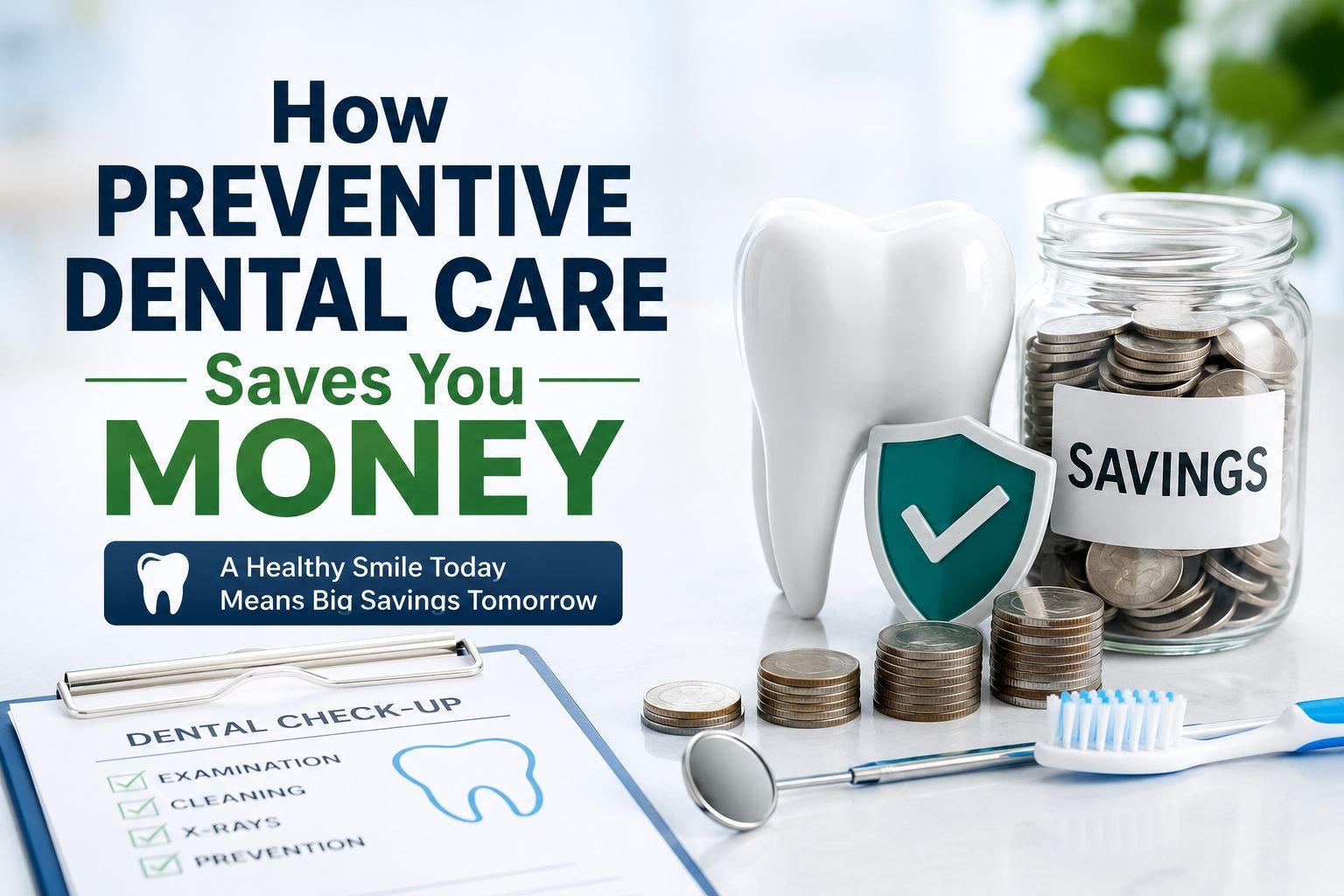
Key Takeaways
- Regular dental check-ups help prevent the need for expensive treatments.
- Most insurance plans fully cover preventive care, reducing out-of-pocket expenses.
- Identifying dental issues early leads to simpler, less costly interventions.
Maintaining oral health is far more than just keeping your smile bright. It offers a strategic way to keep your overall healthcare costs down and prevent expensive dental procedures in the future. In fact, people who follow schedules for routine check-ups and cleanings can spot dental issues before they worsen, making care more manageable both medically and financially. Utilizing PPO dental insurance plans is a smart move for those wanting to maximize their preventive dental care benefits.
By routinely visiting your dentist and taking advantage of covered preventive services, you not only safeguard your teeth and gums but also make sure you are getting the most value from your dental insurance plan. These steps significantly reduce the risk of developing more severe and costly dental health problems down the line.
The Financial Benefits of Preventive Dental Care
Preventive dental care delivers substantial cost savings, both individually and across society. According to the Centers for Disease Control and Prevention, each dollar spent on preventive oral care can save $8 to $50 in necessary restorative or emergency dental care later. Nationwide initiatives like community water fluoridation cut U.S. dental treatment costs by as much as $6.5 billion annually and produce savings of about $32 per person each year. These numbers highlight how investing upfront in prevention makes a serious dent in long-term dental expenses.
Understanding Dental Insurance Coverage
Dental insurance commonly follows a structure known as “100/80/50,” where preventive services such as cleanings and oral exams are completely covered. Basic procedures, like fillings, receive about 80% coverage from your plan, and major restorative treatments like crowns or bridges are often covered at 50%. Most plans set an annual maximum payout that falls between $1,000 and $2,000. Understanding how your benefits work makes it easier to plan and budget for ongoing dental care, minimizing the risk of unexpected expenses.
Early Detection Leads to Cost Savings
When dental problems are identified early during routine visits, the treatment required is usually less involved and far cheaper than if the issues were found later. For example, a small cavity can be treated with a straightforward filling, while a neglected cavity may progress to the point where a root canal or even a tooth extraction is necessary. Routine preventive care also eliminates plaque buildup that brushing alone cannot address, lowering your risk of decay and gum disease and ultimately stretching your dollars further.
Preventive Care Reduces Emergency Visits
Frequent skipping of dental checkups often leads to larger, more urgent dental problems that require emergency care. People who invest in routine preventive care experience 22% fewer emergency room or urgent care visits than those who skip regular checkups, according to a recent Cigna Healthcare study. This reduction in emergencies translates into lower total medical costs per person each year and prevents minor dental problems from becoming financial burdens.
Preventive Services Covered by Insurance
A significant advantage of many dental insurance plans is their robust coverage of essential preventive services. These usually include:
- Comprehensive oral exams
- Professional dental cleanings
- Diagnostic X-rays
- Fluoride treatments for children and at-risk adults
Taking full advantage of these no-cost services is an easy way to preserve your oral health and ensure you use your plan benefits to the fullest.
Preventive Care for Children
Children are especially vulnerable to tooth decay, which remains one of the leading chronic childhood diseases in the country. Preventive measures such as dental sealants and fluoride treatments are vital. School-based programs can help families by reducing costs and saving about $11.70 per treated tooth over four years. These programs can also prevent up to 80% of cavities among children, drastically reducing the need for future restorative procedures and their associated costs.
Broader Health Benefits of Preventive Dental Care
Preventive dental care is essential not only for averting oral issues but also for protecting your overall health. Research increasingly shows a strong link between poor oral hygiene and system-wide health conditions, including heart disease, diabetes, and even respiratory infections. By preventing gum disease and tooth decay, you can simultaneously reduce the risk of complications that might lead to greater healthcare needs elsewhere in the body. This interconnectedness between oral and systemic health
shows why regular dental visits should not be overlooked or traded off when budgeting for healthcare.
For example, individuals with periodontitis, an advanced form of gum disease, are at higher risk for heart attacks and strokes. Effective preventive care that treats or avoids gum inflammation may help shield you not only from dental costs, but also from these severe (and much more expensive) medical issues. Oral health is, therefore, a crucial pillar of overall well-being, serving as both a financial and a health safeguard.
How to Maximize Your Preventive Dental Benefits
To truly reap the rewards of preventive dental care and insurance, it’s important to make the most of your benefits every year. Schedule your biannual cleanings and exams early so you don’t miss out on the services your plan covers. Some plans even offer reminders or incentives for routine care; signing up for them can help ensure consistent appointments. Check your policy for additional services that may be included as preventive, such as oral cancer screenings or periodontal maintenance.
In addition, maintaining good oral hygiene at home is essential. Daily brushing, flossing, and smart dietary choices can work in tandem with your dentist’s work to keep your mouth healthy for the long run. Stay proactive and be sure to ask your dental provider for personalized recommendations to help prevent small issues from becoming costly, complex problems.
Who Is Hannah Hampton Partner? Latest Relationship Updates
Conclusion
Ultimately, preventive dental care is a sound investment for both your health and your finances. By keeping up with check-ups, professional cleanings, X-rays, and other routine services, you protect your smile and avoid the high costs associated with major dental procedures. Utilizing PPO dental insurance plans and understanding coverage options can help you maintain excellent oral health while staying within budget, making preventive dental care a win-win for everyone.
