

Introduction
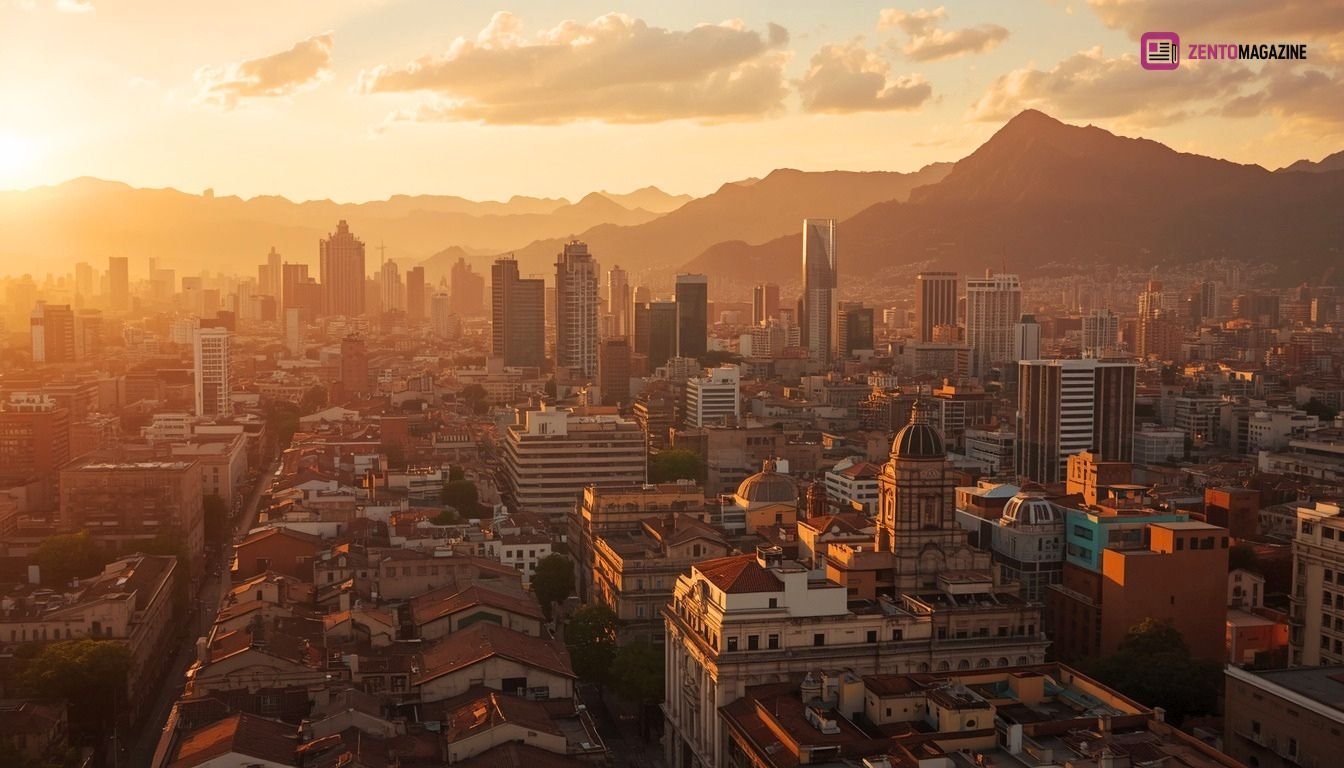
CDMX, short for Ciudad de México or Mexico City, is one of the most fascinating destinations in the world. As the capital of Mexico, it combines centuries of history, vibrant traditions, remarkable architecture, and an unforgettable food scene. Few cities manage to blend ancient civilizations with modern urban life as successfully as CDMX.
Built on the foundations of the Aztec capital Tenochtitlán, the city has evolved into a cultural powerhouse that attracts millions of visitors every year. Whether you are interested in historic landmarks, local cuisine, art, or everyday Mexican culture, CDMX offers an experience that feels authentic and diverse.
This guide explores the cultural heritage, culinary treasures, and historic attractions that make CDMX one of Latin America’s most rewarding destinations.
| Label | Information |
|---|---|
| Destination Name | CDMX (Mexico City) |
| Country | Mexico |
| Type | Capital City |
| Known For | Culture, Food, History |
| Historical Origin | Aztec Empire |
| Famous Landmark | Zócalo |
| Major Attraction | Chapultepec Castle |
| Cultural Highlight | Museums and Art |
| Popular Food | Tacos and Tamales |
| Best Area to Visit | Roma and Condesa |
| Best Travel Season | Spring and Autumn |
| Ideal Trip Length | 4–5 Days |
| Traveler Appeal | History, Culture, Cuisine |
What Makes CDMX Special?
CDMX stands out because it is a city of contrasts. Ancient ruins sit beside modern skyscrapers, while centuries-old traditions continue to thrive in contemporary neighborhoods. Every district has its own identity, creating a city that feels like many destinations combined into one.
The city’s rich history dates back to the Aztec Empire. Following the Spanish conquest in the sixteenth century, new architectural styles and cultural influences shaped the urban landscape. Today, visitors can witness both indigenous heritage and colonial history within a single day.
Another reason CDMX is so appealing is its cultural energy. Museums, galleries, public parks, theaters, and markets are part of daily life. Residents take pride in preserving traditions while embracing innovation, creating a dynamic atmosphere that appeals to travelers from around the world.
The Rich Cultural Heritage of CDMX
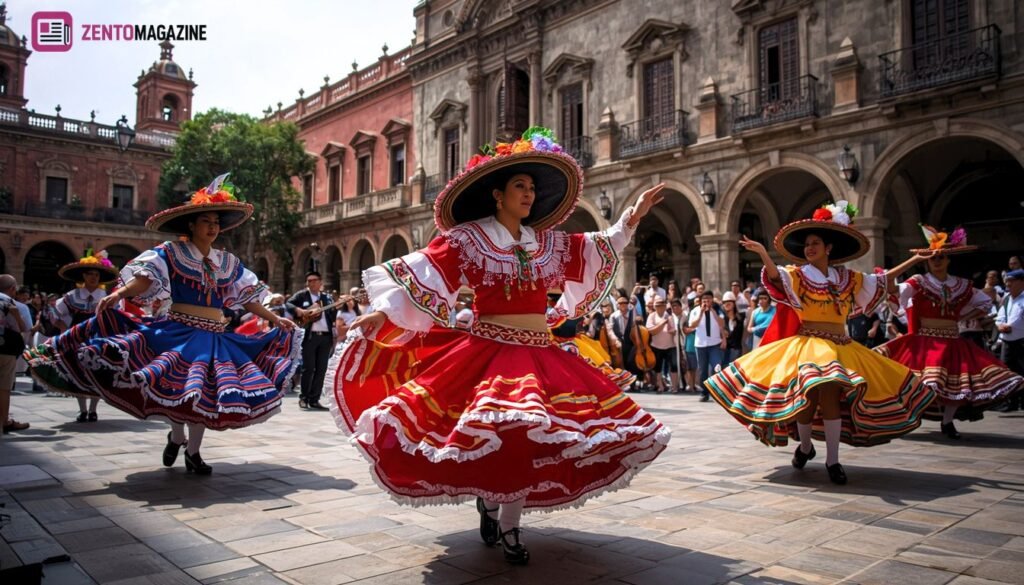
Culture is woven into every aspect of life in CDMX. From music and dance to literature and visual arts, creativity plays a central role in shaping the city’s identity.
The roots of CDMX stretch back to the Aztec civilization. Before the arrival of the Spanish, Tenochtitlán was one of the largest and most advanced cities in the world. Although much of the original city was transformed during the colonial era, traces of this remarkable civilization remain visible today.
The city’s museums provide valuable insight into Mexican history and culture. The National Museum of Anthropology is often considered one of the finest museums in the world. Its exhibits showcase ancient civilizations, archaeological discoveries, and indigenous cultures that continue to influence Mexican society.
Art lovers will find endless inspiration throughout CDMX. Murals created by renowned Mexican artists can be found in public buildings and cultural institutions. These works often depict social struggles, national identity, and historical events, offering visitors a deeper understanding of the country’s past.
Traditional celebrations remain an important part of life as well. Throughout the year, festivals bring neighborhoods together through music, dance, colorful decorations, and local cuisine. These events provide a glimpse into the customs that have been passed down through generations.
Historic Landmarks That Define CDMX
History is visible on nearly every street corner in CDMX. The city contains some of the most important landmarks in Mexico, each telling a unique story about the nation’s development.
Zócalo
The Zócalo serves as the historic heart of the city. This enormous public square has been a gathering place for centuries and remains one of the largest urban plazas in the world.
Surrounded by government buildings, historic structures, and cultural sites, the square reflects the political and cultural significance of the capital. Walking through the area allows visitors to experience the city’s historical depth and vibrant energy.
Metropolitan Cathedral
Located beside the Zócalo, the Metropolitan Cathedral is one of the most impressive religious buildings in the Americas. Construction began in the sixteenth century and continued for nearly three hundred years.
Its architecture combines multiple styles, reflecting different periods of Mexican history. The cathedral remains a symbol of faith, heritage, and artistic achievement.
Templo Mayor
Templo Mayor represents one of the most important archaeological sites in Mexico. These ancient ruins were once part of the Aztec capital and served as a major religious center.
Excavations have revealed temples, sculptures, ceremonial objects, and artifacts that provide valuable insight into pre-Hispanic civilization. Visiting the site offers a powerful connection to the city’s ancient origins.
Chapultepec Castle
Perched atop a hill within Chapultepec Park, this historic castle offers breathtaking views of the city below. Throughout its history, it has served as a royal residence, military academy, and presidential home.
Today, visitors can explore beautifully preserved rooms, historical exhibits, and elegant gardens while learning about key moments in Mexican history.
Palacio de Bellas Artes
One of the city’s architectural masterpieces, Palacio de Bellas Artes is renowned for its stunning design and cultural importance. The building hosts concerts, ballet performances, art exhibitions, and theatrical productions.
Its striking exterior and magnificent interior make it one of the most photographed landmarks in CDMX.
Exploring the Neighborhoods of CDMX
One of the best ways to understand CDMX is by exploring its neighborhoods. Each area offers a different perspective on local life and culture.
Coyoacán
Coyoacán is known for its charming streets, colonial architecture, and artistic atmosphere. Walking through its plazas and markets feels like stepping back in time.
The neighborhood has long attracted artists, writers, and intellectuals. Visitors appreciate its relaxed pace, cultural attractions, and traditional character.
Roma
Roma has become one of the city’s most popular districts. Tree-lined avenues, historic buildings, and creative spaces contribute to its unique charm.
The area is filled with independent cafés, bookstores, galleries, and restaurants, making it a favorite destination for both locals and visitors.
Condesa
Adjacent to Roma, Condesa offers beautiful parks, vibrant nightlife, and a welcoming atmosphere. The neighborhood combines urban sophistication with a strong sense of community.
Its walkable streets encourage exploration, allowing travelers to discover hidden cafés, local shops, and cultural venues.
Polanco
Polanco represents a more upscale side of CDMX. Known for luxury shopping, fine dining, and elegant architecture, the district showcases the city’s modern development.
It also houses important museums and cultural institutions, making it an attractive destination beyond its reputation for luxury.
The Food Culture of CDMX
Food is one of the greatest reasons to visit CDMX. The city’s culinary scene reflects centuries of history, regional influences, and creative innovation.
Street food remains an essential part of local culture. Vendors can be found throughout the city, serving dishes that have become symbols of Mexican cuisine.
Tacos are perhaps the most famous example. Prepared with a variety of meats, vegetables, and sauces, they showcase the diversity of Mexican flavors. Every neighborhood offers its own unique interpretations.
Tamales continue to be a traditional favorite. Wrapped in corn husks and steamed to perfection, these dishes have been enjoyed for generations.
Elotes, grilled corn topped with cheese, spices, and sauces, provide another popular street food experience. Their simple ingredients highlight the creativity of local cooking traditions.
Beyond street food, CDMX offers regional specialties from across Mexico. Mole, a complex sauce made with numerous ingredients, demonstrates the sophistication of Mexican cuisine. Pozole, a hearty soup traditionally served during celebrations, reflects the importance of communal dining.
Modern chefs have also contributed to the city’s international culinary reputation. Innovative restaurants combine traditional techniques with contemporary approaches, creating dishes that honor Mexican heritage while embracing creativity.
Markets That Showcase Local Life
Markets play an essential role in the daily life of CDMX. They serve as places for shopping, social interaction, and cultural exchange.
Mercado de San Juan is famous for its specialty products and culinary diversity. Food enthusiasts often visit to discover unique ingredients and regional delicacies.
La Merced Market offers a more traditional experience. Its bustling atmosphere reflects the energy of the city and provides insight into local commerce and food culture.
Artisan markets are equally important. These spaces showcase handcrafted goods created by skilled artisans from across Mexico. Visitors can find textiles, ceramics, jewelry, and decorative items that reflect the country’s artistic traditions.
Hidden Gems Beyond the Tourist Trail
While famous landmarks attract much attention, some of the most memorable experiences in CDMX come from exploring lesser-known areas.
Quiet neighborhoods often reveal colorful murals, independent galleries, and community spaces that are rarely featured in travel guides. These locations provide opportunities to connect with local culture on a deeper level.
Small cultural centers frequently host workshops, exhibitions, and performances that highlight contemporary Mexican creativity. Travelers willing to venture beyond major attractions often discover a more personal side of the city.
Parks and public spaces also offer moments of tranquility amid the urban landscape. Residents gather here to exercise, relax, and spend time with family, creating a welcoming atmosphere for visitors.
Practical Travel Tips for Visiting CDMX
Planning ahead can help visitors make the most of their time in CDMX.
The city enjoys a relatively mild climate throughout the year. Spring and autumn are particularly pleasant, offering comfortable temperatures and favorable conditions for sightseeing.
Public transportation is extensive and affordable. The metro system connects many major attractions and provides an efficient way to navigate the city. Walking is also enjoyable in many neighborhoods, especially those with pedestrian-friendly streets.
As with any large city, visitors should remain aware of their surroundings and follow common safety practices. Respecting local customs and learning a few basic Spanish phrases can also enhance the travel experience.
Staying hydrated is important due to the city’s high elevation, which can affect travelers who are unfamiliar with the altitude.
Why CDMX Belongs on Every Traveler’s Bucket List
CDMX offers an extraordinary combination of history, culture, food, and urban energy. Few destinations provide such a rich variety of experiences within a single city.
Visitors can explore ancient ruins in the morning, admire world-class art in the afternoon, and enjoy exceptional cuisine in the evening. Every day presents opportunities to discover something new.
The city’s welcoming atmosphere, cultural depth, and historical significance create memories that stay with travelers long after they leave.
Conclusion
CDMX is far more than a capital city. It is a living museum, a culinary destination, and a cultural center that reflects the diverse history of Mexico. From Aztec ruins and colonial landmarks to bustling markets and innovative restaurants, every corner of the city tells a story.
Whether you are drawn by history, food, architecture, or local traditions, CDMX offers experiences that are both meaningful and unforgettable. Exploring this remarkable city provides a deeper appreciation of Mexico’s past, present, and future, making it a destination that deserves a place on every travel enthusiast’s list.
Frequently Asked Questions
What does CDMX stand for?
CDMX stands for Ciudad de México, which is the Spanish name for Mexico City. It has been officially used as an abbreviation since 2016 and is widely recognized both in Mexico and internationally.
How many days should I spend in CDMX?
Most travelers find that 4 to 5 days are enough to explore the main attractions, museums, historic landmarks, and food markets. A longer stay allows for a deeper experience of the city’s neighborhoods and culture.
What is the best time to visit CDMX?
The best time to visit CDMX is during spring and autumn when the weather is pleasant and ideal for sightseeing. These seasons offer comfortable temperatures and fewer weather-related disruptions.
What foods should visitors try in CDMX?
Visitors should try traditional favorites such as tacos, tamales, pozole, mole, and elotes. The city is famous for both its street food culture and its world-class dining experiences.
Is CDMX a good destination for first-time travelers to Mexico?
Yes, CDMX is an excellent destination for first-time visitors. It offers a mix of history, culture, food, museums, and modern attractions, providing a well-rounded introduction to Mexico.
