

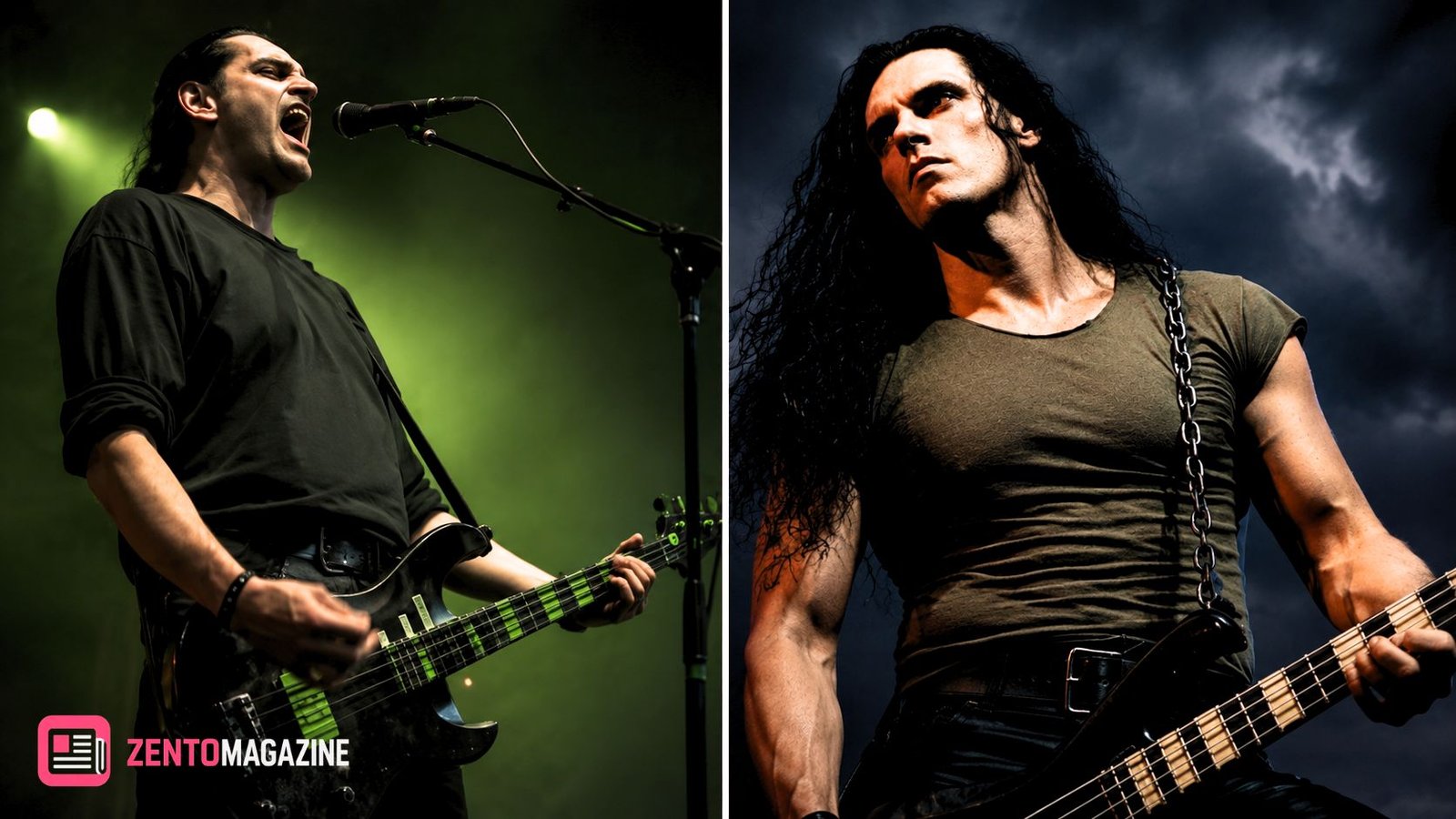
Peter Steele was never just another metal frontman. He was a towering figure in every sense: physically imposing, vocally unforgettable, emotionally complicated, and creatively fearless. Best known as the lead singer, bassist, and main songwriter of Type O Negative, Peter Steele helped shape gothic metal into something darker, stranger, more romantic, and more human.
His music carried the weight of grief, desire, addiction, humor, religion, heartbreak, and death. Yet beneath the deep voice, black hair, and vampire-like image was a man who often seemed painfully aware of his own contradictions. That honesty is one reason Peter Steele still matters today.
BIO
| Label | Information |
|---|---|
| Full Name | Peter Thomas Ratajczyk |
| Stage Name | Peter Steele |
| Born | January 4, 1962 |
| Birthplace | Brooklyn, New York, USA |
| Died | April 14, 2010 |
| Age at Death | 48 years old |
| Profession | Singer, songwriter, bassist |
| Famous For | Frontman of Type O Negative |
| Music Genres | Gothic metal, doom metal |
| Notable Albums | Bloody Kisses, October Rust |
| Signature Trait | Deep baritone voice |
| Popular Songs | “Black No. 1”, “Love You to Death” |
| Legacy | Influential gothic metal icon |
Who Was Peter Steele?
Peter Steele was born Peter Thomas Ratajczyk on January 4, 1962, in Brooklyn, New York. Long before he became a gothic metal icon, he was a working-class New Yorker with a dry sense of humor, a love for heavy music, and a personality that did not fit neatly into any scene.
Before fame, Steele worked for the New York City Parks Department. That detail matters because it adds something real to his story. He was not born into rock stardom. He spent years doing ordinary labor before becoming the voice behind some of gothic metal’s most memorable songs.
His background gave his music a grounded, rough-edged quality. Even when Type O Negative sounded theatrical, the emotion underneath often felt personal. Peter Steele could write about death, lust, depression, and loneliness without making it feel distant or decorative.
Early Musical Roots
Before Type O Negative, Peter Steele was involved in earlier bands, including Fallout and Carnivore. These projects showed a harsher, more aggressive side of his writing. Carnivore, in particular, leaned into thrash metal, hardcore energy, and confrontational lyrics.
That early period was raw and controversial. Steele’s songwriting often used satire, shock, and social anger, sometimes in ways that divided listeners. While Carnivore did not achieve the same mainstream recognition as Type O Negative, it helped build the foundation for Steele’s later style.
Through those early years, he learned how to use discomfort as part of music. He was not interested in safe, polished expression. He wanted songs that felt heavy, sarcastic, ugly, wounded, and alive.
The Birth of Type O Negative
Type O Negative formed in Brooklyn in 1989. The classic lineup included Peter Steele, guitarist Kenny Hickey, keyboardist Josh Silver, and drummer Sal Abruscato, later replaced by Johnny Kelly.
The band’s early sound grew from doom metal, gothic rock, hardcore, and classic heavy metal. But Type O Negative did not sound like anyone else. Their music was slow, dramatic, romantic, sarcastic, and heavy. The band mixed crushing guitar tones with haunting keyboards, deep vocals, and dark humor.
Peter Steele became the center of that identity. His bass voice was instantly recognizable. It was not just deep; it sounded wounded, seductive, bitter, and strangely warm. Few singers in metal have had a voice so tied to atmosphere.
The Breakthrough of Bloody Kisses
Type O Negative’s major breakthrough came with Bloody Kisses, released in 1993. The album helped bring gothic metal to a wider audience and became one of the band’s defining works.
Songs like “Black No. 1” and “Christian Woman” introduced many listeners to Type O Negative’s strange mix of romance, religion, satire, and doom. “Black No. 1” became especially important because it captured both the band’s gothic image and Steele’s sharp humor.
The album’s success changed Peter Steele’s life. It pushed Type O Negative beyond the underground and gave Roadrunner Records one of its landmark metal releases. But success also made Steele more visible in ways he did not always seem comfortable with.
A Voice Like No Other
Peter Steele’s voice was one of his greatest gifts. In a genre often dominated by screams, growls, and high-register singing, Steele’s deep baritone stood apart. His vocals could sound cold and commanding, but also vulnerable.
That contrast gave Type O Negative much of its emotional power. A song could begin with irony and end with sadness. A lyric could sound romantic and self-mocking at the same time. Steele’s voice made those contradictions believable.
He did not sing like someone trying to impress. He sang like someone carrying something heavy and refusing to hide it completely.
The Beauty of October Rust
After Bloody Kisses, Type O Negative released October Rust in 1996. Many fans see it as the band’s most romantic and atmospheric album.
Where Bloody Kisses was dark and biting, October Rust felt smoother, dreamier, and more sensual. Songs like “Love You to Death” showed Steele’s ability to write music that was heavy but emotionally lush. The album proved that gothic metal could be beautiful without losing its darkness.
Peter Steele’s songwriting on October Rust leaned into longing, fantasy, and desire. It was not soft in a simple way. It was still strange and shadowed, but it had a rare elegance.
Darkness, Humor, and Pain
One of the most misunderstood parts of Peter Steele’s art was his humor. Type O Negative could be deeply sad, but the band was rarely humorless. Steele often used sarcasm to soften painful subjects or make them even more uncomfortable.
That balance became part of his identity. He could write about heartbreak, death, sex, addiction, and spiritual conflict while still leaving room for irony. Sometimes the humor was crude. Sometimes it was defensive. Sometimes it felt like a mask.
But that is what made his writing human. Peter Steele did not present himself as a perfect poet of darkness. He came across as flawed, funny, bitter, romantic, and wounded.
Personal Struggles
Peter Steele’s life was marked by personal battles. He spoke at different times about depression, substance abuse, and emotional instability. These struggles were not separate from his music; they shaped it.
Albums such as World Coming Down carried a heavier emotional weight. The songs felt less playful and more direct in their grief. Themes of loss, addiction, mortality, and family pain became central.
This is where Steele’s songwriting reached some of its most honest moments. He did not always write about suffering in a clean or inspirational way. He wrote about it as something messy, exhausting, and sometimes ugly.
Faith and Change
Later in life, Peter Steele showed signs of personal and spiritual change. His relationship with religion, especially Catholicism, became more visible in interviews and lyrics. This added another layer to his public image.
For years, Type O Negative had used religious imagery in provocative and dramatic ways. But as Steele aged, faith seemed to become less of a symbol and more of a serious personal subject.
This did not erase the darkness in his work. Instead, it made his later music feel more reflective. His art began to carry not only despair, but also questions about forgiveness, guilt, and redemption.
The Songs Fans Remember
Peter Steele left behind a catalog full of songs that still connect with listeners. “Black No. 1” remains a gothic metal anthem. “Christian Woman” is one of the band’s most dramatic and controversial works. “Love You to Death” shows his romantic side. “Everything Dies” captures grief with brutal simplicity. “I Don’t Wanna Be Me” reveals a sharper, more direct kind of self-loathing.
These songs endure because they are not one-dimensional. They are heavy, but also melodic. They are dark, but not empty. They are dramatic, but often rooted in real feeling.
Peter Steele understood that darkness alone is not enough. The listener has to feel something beneath it.
His Gothic Image
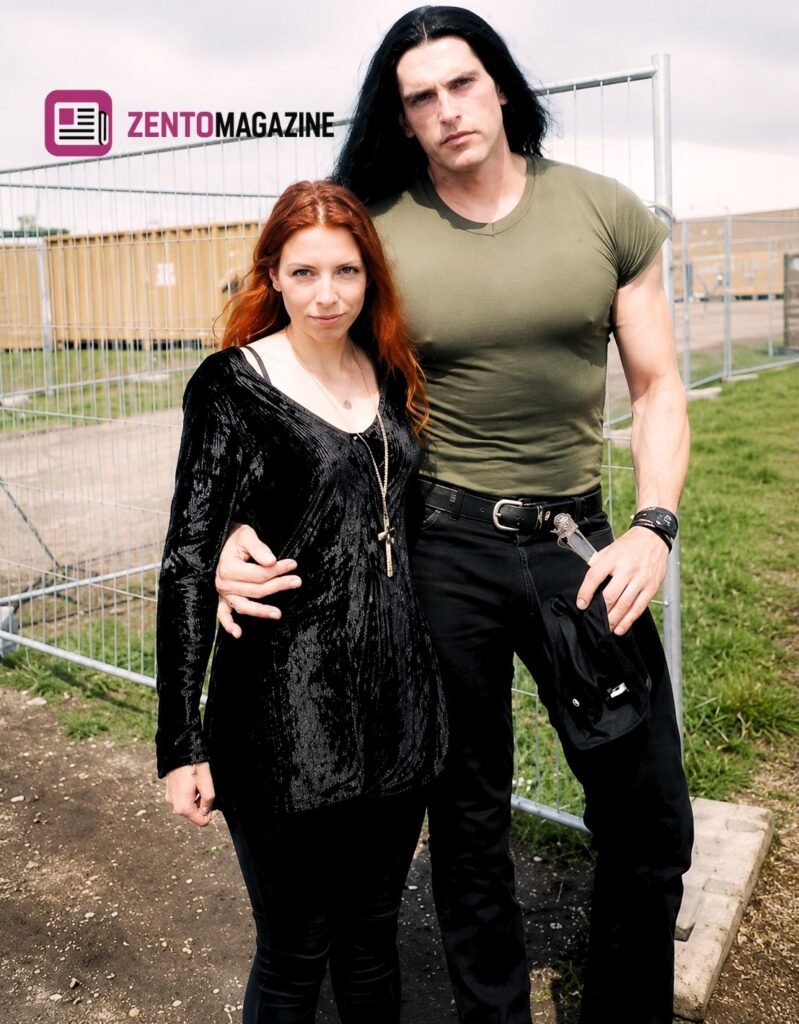
Peter Steele’s appearance became a major part of his legend. Tall, pale, long-haired, and intense, he looked like he had stepped out of a gothic novel and into a metal club.
But the image worked because it matched the music. It was not simply costume. It reflected Type O Negative’s atmosphere: romantic decay, black humor, sensuality, and gloom.
At the same time, Steele’s image sometimes overshadowed his musicianship. He became a symbol, a poster figure, and an object of fascination. Yet behind that image was a serious songwriter with a strong sense of arrangement, melody, and mood.
Why Peter Steele Still Matters
Peter Steele’s lasting legacy comes from the way he blended opposites. He made heavy music that could be romantic. He made gothic music that could be funny. He wrote songs that were theatrical but still personal.
He helped give gothic metal a deeper emotional range. His influence can be heard in bands that mix doom, gothic atmosphere, dark romance, and melodic heaviness. But his impact is not only musical. For many fans, Peter Steele represented the outsider who did not hide his sadness behind fake confidence.
That connection is powerful. People return to his music not only because it sounds good, but because it feels like it understands loneliness.
His Death and the End of Type O Negative
Peter Steele died on April 14, 2010, at the age of 48. News of his death shocked the metal community. For fans, it felt like the end of a world that only Type O Negative could create.
After his passing, Type O Negative did not continue with another frontman. That decision said a great deal. Some bands can replace a singer and move forward. Type O Negative could not exist without Peter Steele. His voice, humor, pain, and presence were too central to the band’s identity.
His death turned his music into something even more haunting. Songs about mortality, loss, and decay now carried the weight of reality.
A Lasting Gothic Legacy
Peter Steele’s legacy continues because his work still feels alive. New listeners discover Type O Negative and find music that sounds unlike anything else. Longtime fans return to the albums because they hold memories, moods, and emotions that do not fade easily.
His legacy is not perfect, and it should not be flattened into myth. Peter Steele was complicated. His work could be beautiful, offensive, funny, tender, bitter, and deeply sad. That complexity is part of why people still talk about him.
He was not simply a gothic metal singer. He was a songwriter who turned personal darkness into atmosphere, melody, and meaning.
Conclusion
Peter Steele’s life was filled with contradiction. He was intimidating but vulnerable, sarcastic but sincere, famous but uncomfortable with fame, dark but often painfully human. Through Type O Negative, he created music that gave gothic metal a voice unlike any other.
His songs still speak to listeners who understand grief, isolation, desire, and self-doubt. His legacy lives not only in albums, videos, and memories, but in the emotional space his music continues to create.
Peter Steele remains one of gothic metal’s most unforgettable figures because he never sounded artificial. He sounded wounded, funny, romantic, angry, and real. That is why his music still matters, and why his shadow still stretches across the world of heavy music.
FAQs About Peter Steele
What was Peter Steele accused of?
Peter Steele was occasionally criticized for controversial lyrics and dark humor in his music, especially during his Carnivore and early Type O Negative years. Some listeners misunderstood his sarcasm and theatrical style, but Steele often explained that much of his work used satire and exaggerated storytelling rather than literal beliefs.
Why didn’t Peter Steele go to the hospital?
Before his death in 2010, reports suggested Peter Steele had struggled with ongoing health issues and personal battles for years. Some close friends and bandmates mentioned that he avoided medical attention at times, though the full details of his private health decisions were never completely revealed publicly.
Was Peter Steele a good guy?
Many fans, friends, and fellow musicians described Peter Steele as kind, intelligent, funny, and deeply self-aware. Although he had a dark public image, people close to him often spoke about his generosity, humility, and strong connection with fans.
Did Peter Steele have fangs?
Peter Steele became famous for his vampire-like gothic appearance, which led many fans to joke about his “fangs.” However, he did not have real vampire fangs. His distinctive look, deep voice, and stage presence simply added to the mysterious image he created with Type O Negative.
Which celebrity has artificial teeth?
Many celebrities have used dental veneers, implants, or cosmetic dental work to improve their smiles. In the music and entertainment world, this is extremely common. However, there is no confirmed public information showing that Peter Steele was known for having artificial teeth.

1 Comment
Pingback: How Han Stray Kids Captivates Audiences with His Talent - zento magazine