

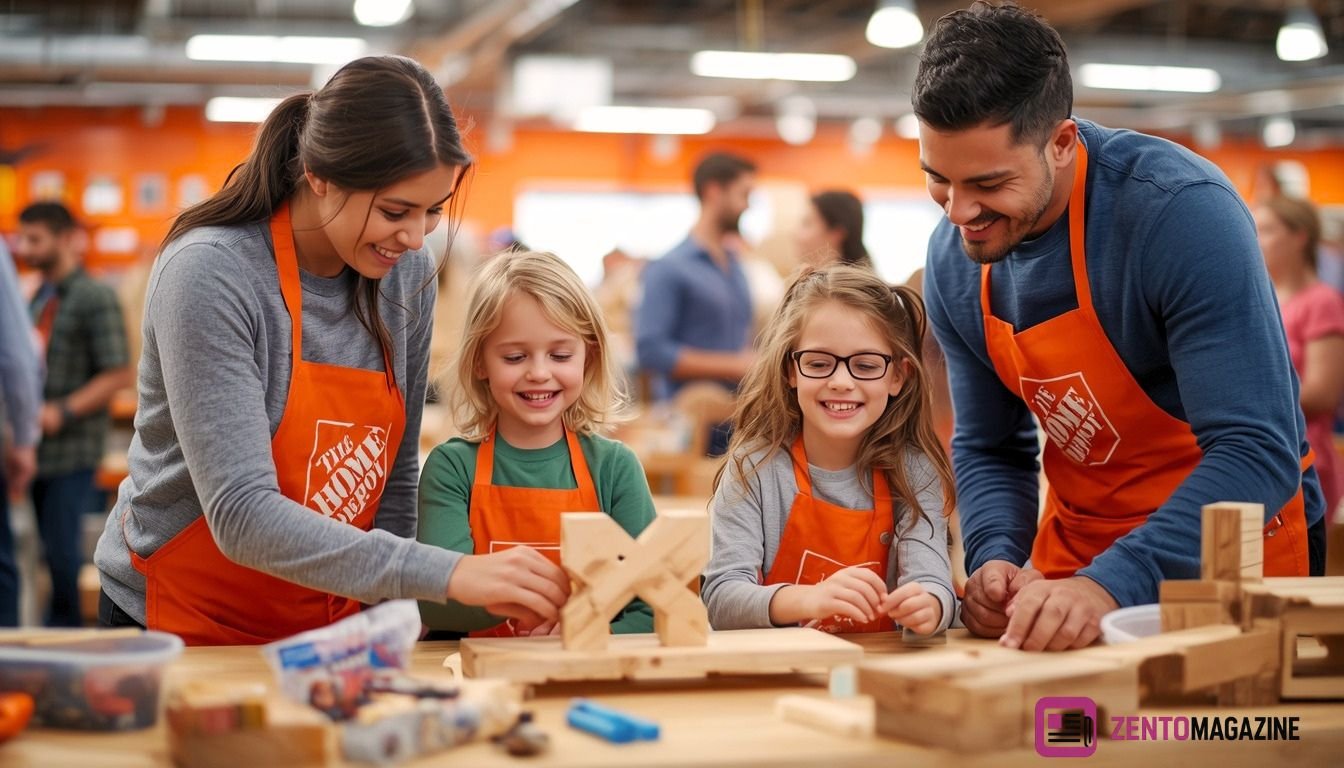
The Home Depot Kids Workshop is one of those simple family activities that feels both fun and useful. It gives children a chance to build something with their own hands, learn basic skills, and enjoy a sense of achievement at the end. For parents, it offers a free or low-cost way to spend quality time with their children while encouraging creativity and confidence.
In a world where many children spend a lot of time with screens, hands-on activities can feel refreshing. A workshop where kids can hammer, paint, decorate, and carry home a finished project gives them something real to remember. It is not only about building a small wooden item. It is about patience, focus, learning, teamwork, and pride.
This guide explains what the Home Depot Kids Workshop is, how it works, what families can expect, and why it has become a favorite monthly activity for many parents and children.
What Is Home Depot Kids Workshop?
The Home Depot Kids Workshop is a family-friendly program offered by Home Depot stores. It is designed to help children complete small building projects in a safe and guided environment. These workshops usually take place on the first Saturday of each month, and families can visit participating stores to join the activity.
The idea is simple. Children receive a project kit, follow basic instructions, and build something they can take home. Projects may include small toys, decorative items, seasonal crafts, games, planters, birdhouses, or other creative wooden builds.
What makes the workshop special is that it gives children the feeling of being little builders. They are not just watching adults do the work. They are involved in the process. With parent support and store guidance, kids learn how pieces fit together, how tools are used safely, and how effort turns into a finished result.
Why Families Love It
Families enjoy the Home Depot Kids Workshop because it offers more than a quick activity. It creates a shared experience between parents and children. A child may remember the first time they wore the orange apron, held a small hammer, or proudly showed their completed project at home.
Parents also appreciate that the workshop is structured but not too formal. Children can learn at their own pace. Some kids may finish quickly, while others may take extra time painting or decorating. The focus is not perfection. The focus is participation, learning, and fun.
For busy families, the workshop can become a monthly routine. It gives children something to look forward to and gives parents an easy weekend activity that feels meaningful.
How the Workshop Works
The workshop usually begins with registration. Parents can check the Home Depot website to find upcoming workshops near their location. Since supplies can be limited, registration is helpful because it gives the store a better idea of how many families may attend.
On workshop day, families arrive at the store, check in, and receive the project kit. The kit generally includes the main building pieces and instructions. Children may also receive items such as a workshop apron, achievement pin, or certificate after completing the project.
The building process is usually simple enough for children but still engaging. Younger children may need more help from parents, while older kids may be able to complete many steps independently. Store associates may also be available to guide families and answer questions.
Most projects are designed to be completed during the workshop visit. The time can vary depending on the project and the child’s age, but many families complete the activity in around half an hour.
What Children Receive
One of the most exciting parts for children is receiving their own workshop items. The small orange apron often becomes a favorite because it makes kids feel like real builders. Many children also enjoy collecting the achievement pins from different monthly projects.
The completed project is the main reward. Children get to take home something they made themselves. This matters because it gives them a physical reminder of their effort. A small wooden toy or craft may look simple to an adult, but to a child, it can feel like a big achievement.
The certificate is another nice touch. It shows that the child completed the workshop and gives parents a small keepsake from the experience.
Skills Kids Can Learn
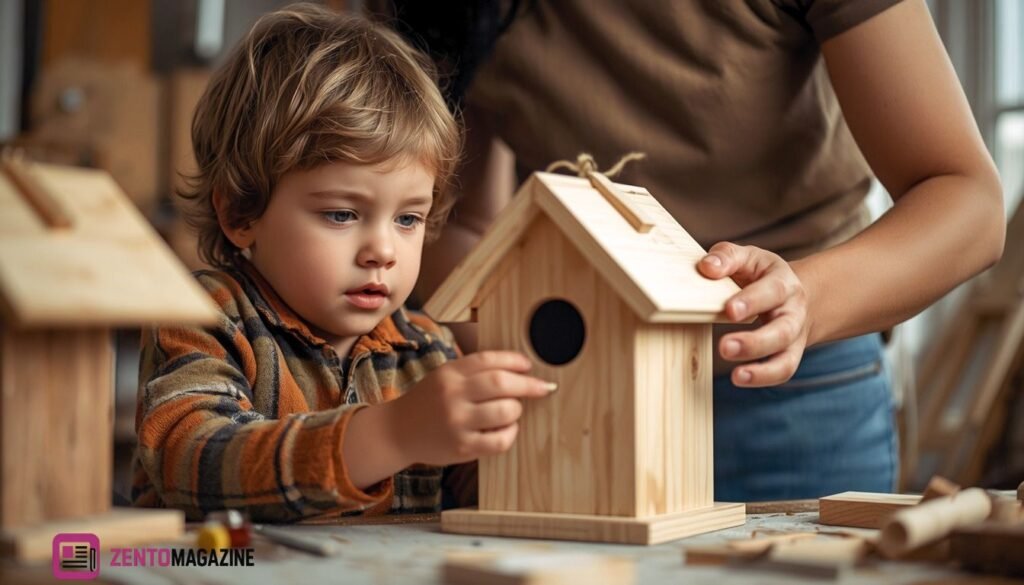
The Home Depot Kids Workshop can support several important learning skills. Children learn how to follow instructions, match parts, use simple tools, and complete steps in the right order. These are basic building skills, but they also support problem-solving and focus.
The workshop also helps children develop fine motor skills. Holding pieces, placing nails or screws, painting, and decorating all require hand control and coordination. These small actions can be especially valuable for younger children.
Another important skill is patience. Building something takes time. A child may make a mistake, need help, or have to try again. This teaches them that mistakes are part of learning.
Confidence Through Building
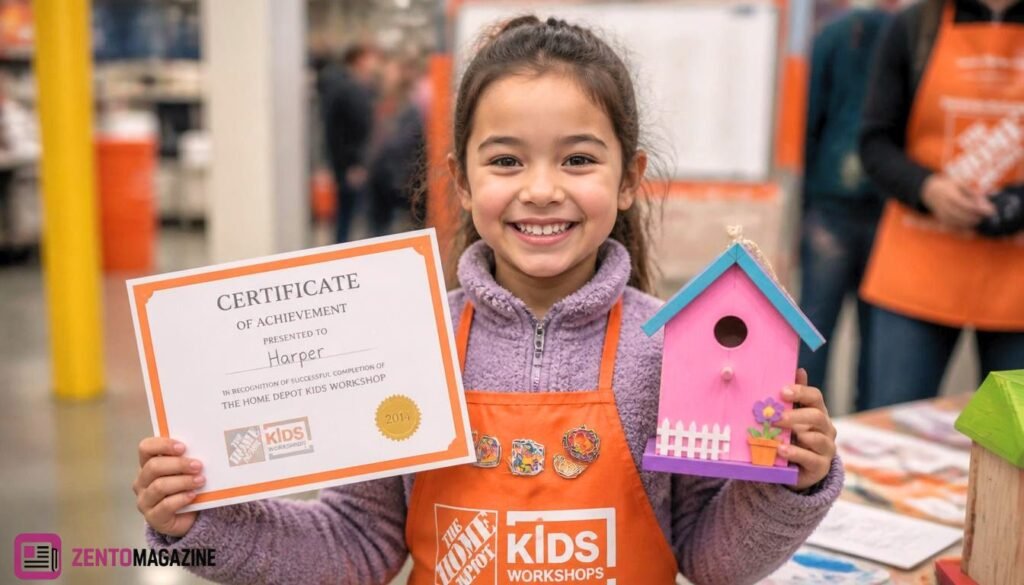
Children often feel proud when they finish a project. That pride is one of the biggest benefits of the workshop. They can point to something and say, “I made this.” That simple sentence builds confidence.
Confidence grows when children are allowed to participate instead of only observe. Even if a parent helps with some steps, the child still feels involved. The workshop gives them a safe space to try something new without pressure.
For shy children, it may also help them become more comfortable in a group setting. They see other kids building, painting, and learning too. This creates a friendly environment where children can feel included.
A Great Family Bonding Activity
Many parents look for activities that do not feel rushed or overly expensive. The Home Depot Kids Workshop works well because it encourages parents and children to work together. A parent may hold a piece steady while the child attaches it. They may discuss colors, read instructions, or celebrate when the project is done.
These small moments matter. Family bonding does not always need a big trip or expensive outing. Sometimes it is as simple as spending a Saturday morning building a small project together.
The workshop can also include grandparents, guardians, or older siblings. It can become a shared family experience that everyone enjoys in their own way.
Popular Workshop Projects
Projects change throughout the year, which keeps the workshop interesting. Some months may feature seasonal crafts. For example, children may build holiday decorations, Halloween-themed items, spring planters, or winter crafts.
Other projects may focus on toys or small games. Kids may build vehicles, sports-themed games, small boxes, or creative display items. These projects are usually designed to be simple, fun, and useful enough for children to enjoy after the workshop.
The variety is one reason families return. Children do not feel like they are doing the same thing every month. Each project feels new, and collecting finished builds can become part of the excitement.
How to Register
Registration is usually done online through the Home Depot workshop page. Parents can search for nearby stores and check the upcoming Kids Workshop schedule. Once they find a workshop, they can reserve a spot.
Registration is a good idea because workshop kits may be available while supplies last. If a location is busy, arriving without registration may make it harder to secure a kit. Signing up early helps families plan better and gives the store a clearer count.
Parents should also check their local store details because times and availability can vary. While the program is widely offered, it is still smart to confirm the date, time, and project before going.
What to Expect on Workshop Day
On workshop day, families should arrive a little early. This gives enough time to park, check in, and settle before the activity begins. Children may be excited, so arriving early can make the experience smoother and less stressful.
After check-in, the child receives the project materials. Parents can review the instructions and help guide the child through each step. The atmosphere is usually casual, friendly, and family-focused.
Some children may want to rush, while others may spend extra time decorating. Parents can encourage children to enjoy the process instead of worrying about making the project perfect. The goal is to learn, create, and have fun.
Tips for Parents
A little preparation can make the Home Depot Kids Workshop even better. First, register in advance whenever possible. This helps avoid disappointment if supplies run out.
Second, dress children in comfortable clothes. Painting, glue, or small building tasks can get a little messy, so it is better to choose clothing that is easy to wash.
Third, let kids do as much as they safely can. It may be tempting for parents to take over, especially if the child struggles. But the real value comes when children try, learn, and complete steps themselves.
Finally, take a photo of the finished project. These photos can become sweet family memories, especially if your child attends multiple workshops over time.
Safety and Supervision
The workshop is designed for children, but adult supervision is still important. Parents or guardians should stay with their child and help them use tools safely. Even simple building activities need attention and care.
Children should follow the instructions, listen to store guidance, and avoid running or playing with tools. Parents can use the workshop as a chance to teach safe habits in a calm and practical way.
The projects are usually beginner-friendly, but each child is different. Younger kids may need more support, while older children may be ready for more independence.
Is It Good for Learning?
Yes, the Home Depot Kids Workshop can be a strong learning activity. It combines practical skills with creativity. Children learn by doing, which can be more memorable than only reading or watching.
The workshop can also introduce children to basic STEM ideas. They see how parts connect, how structure works, and how a plan becomes a finished object. They may not think of it as a lesson, but they are learning through experience.
This kind of learning is especially helpful because it feels natural. Kids are having fun, but they are also building focus, coordination, planning, and confidence.
Why It Stands Out
Many family activities can be expensive, especially on weekends. The Home Depot Kids Workshop stands out because it offers a meaningful activity without putting pressure on the family budget.
It is also different from many indoor activities because children leave with something they made. Instead of only consuming entertainment, they are creating. That difference makes the experience more valuable.
The workshop also works well for different personalities. Creative kids enjoy decorating. Hands-on kids enjoy building. Curious kids enjoy figuring out how pieces fit. Social kids enjoy being around other families. Quiet kids can focus on their own project.
Final Thoughts
The Home Depot Kids Workshop is a simple but valuable activity for families. It gives children a chance to build, learn, create, and feel proud of their work. It also gives parents an easy way to spend quality time with their kids in a positive environment.
From the workshop apron to the finished project, every part of the experience is designed to make children feel involved and capable. The projects may be small, but the lessons can be meaningful.
For families looking for a fun weekend activity, the Home Depot Kids Workshop is worth considering. It supports creativity, builds confidence, and turns an ordinary Saturday morning into a memory children can carry home.
Frequently Asked Questions
Is the Home Depot Kids Workshop free?
Yes, the Home Depot Kids Workshop is generally free for participating families. Children receive a project kit and can take their completed project home after the event.
What age group is the Home Depot Kids Workshop designed for?
The workshop is mainly designed for children between the ages of 5 and 12. Younger children can also participate with help and supervision from a parent or guardian.
Do I need to register before attending?
Registration is recommended because workshop supplies may be limited. Signing up in advance helps ensure your child has a spot and receives a project kit.
What do children get after completing a project?
Children typically receive their finished project along with workshop rewards such as a certificate, collectible pin, or the well-known orange workshop apron.
Can parents help during the workshop?
Absolutely. Parents are encouraged to participate and assist when needed. The workshop is designed to be a fun family activity where children and adults can build together.
