


Fashion has always been shaped by individuals willing to challenge convention, but few designers have done so with the confidence, creativity, and cultural influence of Jean Paul Gaultier. Over several decades, he transformed the fashion industry by questioning established norms, celebrating individuality, and introducing designs that continue to inspire new generations.
Known for his fearless imagination, Gaultier brought together high fashion, street culture, art, music, and social commentary in ways that had rarely been seen before. His work was never simply about clothing. It was about identity, freedom, and self-expression.
Today, Jean Paul Gaultier remains one of the most influential figures in fashion history. His legacy extends beyond the runway, shaping conversations about beauty, diversity, gender, and creativity.
| Label | Information |
|---|---|
| Full Name | Jean Paul Gaultier |
| Profession | Fashion Designer |
| Nationality | French |
| Birth Year | 1952 |
| Birthplace | Arcueil, France |
| Known For | Innovative Fashion Designs |
| Fashion Style | Avant-Garde and Haute Couture |
| Signature Element | Breton Stripes |
| Famous Creation | Madonna’s Cone Bra |
| Industry Impact | Promoted Diversity and Inclusion |
| Former Role | Creative Director at Hermès |
| Notable Products | Fashion, Couture, and Fragrances |
| Legacy | One of Fashion’s Most Influential Icons |
Who Is Jean Paul Gaultier?
Jean Paul Gaultier was born in Arcueil, a suburb of Paris, France, in 1952. Unlike many famous designers, he did not receive formal training at a fashion school. Instead, he developed his skills through observation, sketching, and an intense passion for design from an early age.
His fascination with fashion began during childhood. Inspired by his grandmother and captivated by unusual forms of beauty, he spent countless hours drawing clothing concepts and experimenting with ideas. His talent became evident early, and he started sending sketches to established designers while still young.
One of those sketches reached the legendary Pierre Cardin, who recognized Gaultier’s potential and hired him as an assistant. That opportunity marked the beginning of a remarkable career that would eventually redefine modern fashion.
A Different Kind of Designer
From the very beginning, Jean Paul Gaultier refused to follow the traditional rules of fashion. While many luxury brands focused on elegance within strict boundaries, he preferred experimentation and surprise.
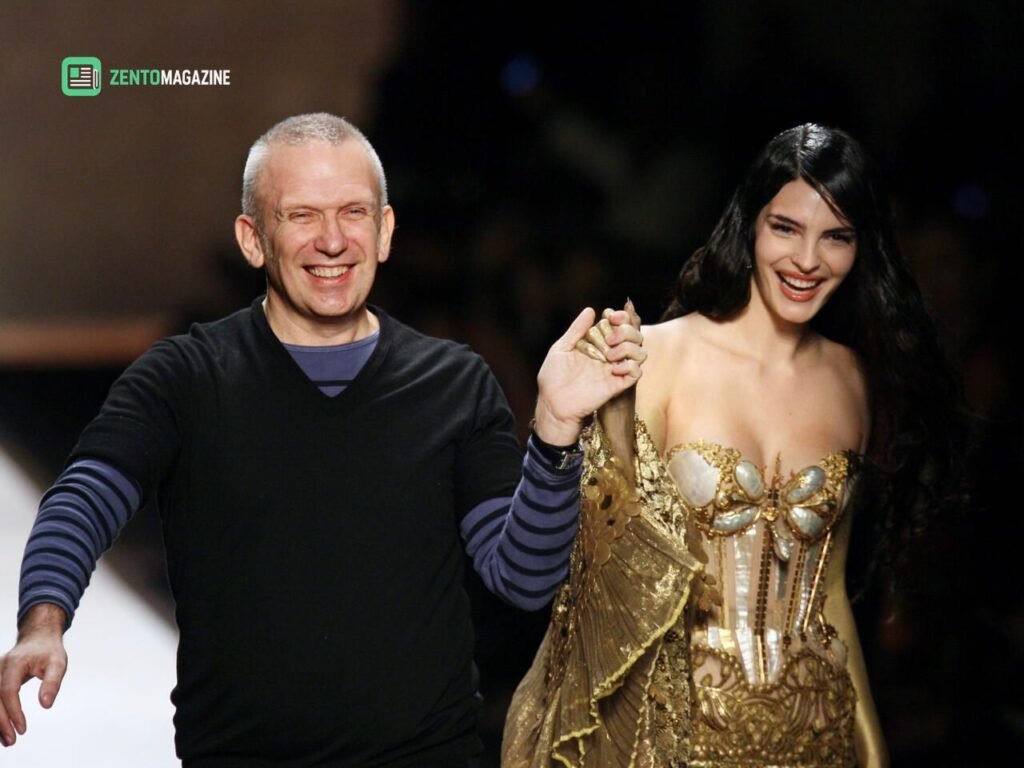
His early collections challenged expectations. He combined influences from everyday streetwear, global cultures, punk fashion, and historical clothing. Rather than creating designs that fit into existing categories, he created entirely new visual languages.
This willingness to break rules quickly earned him a reputation as one of fashion’s most original voices. Critics often described him as a rebel, but his work demonstrated a deeper purpose. He wanted fashion to reflect real people rather than unrealistic ideals.
His unique perspective helped him stand out during an era when the fashion industry often prioritized uniformity and exclusivity.
The Rise of Jean Paul Gaultier
The late 1970s and 1980s marked the rise of Jean Paul Gaultier as an international fashion force. His collections attracted attention because they looked unlike anything else on the runway.
While other designers focused on maintaining established standards of beauty, Gaultier introduced bold silhouettes, unexpected materials, and playful storytelling. His shows became theatrical experiences that challenged audiences to rethink what fashion could be.
As his reputation grew, so did his influence. Fashion editors, celebrities, and cultural figures were drawn to his originality. Soon, his designs were appearing on international runways, magazine covers, and major entertainment stages.
What separated Gaultier from many of his contemporaries was his ability to balance artistic expression with commercial appeal. His designs were provocative, but they also resonated with people seeking individuality.
The Signature Style of Jean Paul Gaultier
Every great designer develops a recognizable visual identity, and Jean Paul Gaultier created one of the most distinctive styles in fashion history.
His work often incorporated nautical themes, particularly the classic Breton striped shirt, which became closely associated with his personal image and brand identity. He also embraced corsetry, tailoring, unconventional proportions, and playful references to popular culture.
Humor was another defining feature of his work. Many of his collections contained elements of satire and irony, proving that fashion could be intelligent and entertaining at the same time.
Unlike designers who remained loyal to a single aesthetic, Gaultier constantly reinvented himself while maintaining a clear creative vision. This ability to evolve helped keep his work relevant across multiple decades.
The Cone Bra That Changed Pop Culture
No discussion of Jean Paul Gaultier is complete without mentioning the iconic cone bra created for Madonna’s 1990 Blond Ambition Tour.
The design quickly became one of the most recognizable fashion creations of the modern era. Combining elements of lingerie and outerwear, the garment challenged traditional ideas about femininity and power.
What made the cone bra so influential was its symbolism. Rather than presenting women as passive figures, it projected confidence, strength, and self-determination.
The collaboration between Gaultier and Madonna demonstrated how fashion and music could work together to create cultural moments that transcend their original context. Even decades later, the cone bra remains a symbol of fashion innovation and artistic courage.
Breaking Gender Boundaries
Long before discussions about gender fluidity became mainstream, Jean Paul Gaultier was questioning conventional ideas about masculinity and femininity.
One of his most memorable contributions was introducing skirts for men on the runway. At a time when such concepts were considered controversial, Gaultier argued that clothing should not be restricted by outdated social expectations.
His collections regularly blurred traditional gender lines, encouraging people to express themselves without fear of judgment.
This approach helped open new conversations within the fashion industry. Many contemporary designers who explore gender-neutral fashion owe a creative debt to the groundwork established by Gaultier.
His vision was not based on shock value alone. It reflected a genuine belief that fashion should empower individuals rather than limit them.
Celebrating Diversity Before It Was Popular
One of Jean Paul Gaultier’s most important achievements was his commitment to diversity.
Years before inclusivity became a major industry focus, he featured models of different ages, body types, ethnic backgrounds, and identities in his runway presentations.
At a time when fashion often promoted narrow definitions of beauty, Gaultier embraced individuality. His runways reflected the diversity of real life rather than an idealized fantasy.
This decision was both creative and cultural. It challenged the industry to reconsider who deserved visibility and representation.
Today, diversity has become a central topic within fashion, but Jean Paul Gaultier was advocating for broader representation decades earlier.
Haute Couture as Art
While Jean Paul Gaultier achieved success in ready-to-wear fashion, his contributions to haute couture remain among his greatest accomplishments.
His couture collections combined extraordinary craftsmanship with imaginative storytelling. Every garment reflected meticulous attention to detail, from embroidery and tailoring to fabric manipulation and construction.
What made his couture unique was its ability to balance technical excellence with creativity. Each collection felt like a work of art while remaining deeply connected to human emotion and cultural themes.
His runway shows often resembled theatrical performances rather than traditional fashion presentations. Audiences attended not only to see clothing but also to experience a complete artistic vision.
This commitment to creativity elevated his reputation and secured his place among the world’s leading couture designers.
Influence Beyond the Runway
The impact of Jean Paul Gaultier extends far beyond fashion shows.
Throughout his career, he collaborated with musicians, actors, filmmakers, and performers. His costume designs appeared in concerts, films, and stage productions, helping bring his creative ideas to wider audiences.
One of his most celebrated projects was his costume work for the science-fiction film The Fifth Element. The film’s futuristic visual identity remains iconic, and many of its most memorable looks were created by Gaultier.
His influence also reached television and popular culture, where his distinctive aesthetic became instantly recognizable.
By crossing creative boundaries, he demonstrated that fashion could play an essential role in storytelling and entertainment.
The Success of Jean Paul Gaultier Fragrances
Beyond clothing, Jean Paul Gaultier built one of the most successful fragrance businesses in luxury fashion.
His perfumes became known for their distinctive packaging and memorable scents. Products such as Classique and Le Male achieved global recognition and helped introduce the Jean Paul Gaultier name to audiences beyond the fashion world.
The fragrance line reflected many of the same qualities found in his clothing designs: originality, confidence, and individuality.
Its commercial success strengthened the brand’s international presence and contributed significantly to his enduring popularity.
Today, these fragrances remain among the most recognizable products in the beauty industry.
Leadership at Hermès
Another important chapter in Jean Paul Gaultier’s career was his role as creative director of Hermès.
Leading one of the world’s most respected luxury houses presented a different challenge from managing his own label. Yet Gaultier successfully brought his creativity to the brand while respecting its heritage.
His work demonstrated that innovation and tradition could coexist. During his tenure, he introduced fresh perspectives while maintaining the elegance and craftsmanship associated with Hermès.
This experience further established him as one of the most versatile designers of his generation.
A Lasting Legacy
In 2020, Jean Paul Gaultier presented his final haute couture runway show after approximately fifty years in the fashion industry. Although he stepped away from designing runway collections, his influence remains deeply embedded in contemporary fashion.
Designers around the world continue to draw inspiration from his work. Elements such as corsetry, gender-fluid fashion, diverse casting, and theatrical presentation remain visible throughout the industry.
His legacy is particularly powerful because it extends beyond aesthetics. He changed the way people think about fashion itself.
Gaultier proved that clothing can be a form of communication, cultural commentary, and personal freedom.
Lessons From Jean Paul Gaultier
There are several valuable lessons that can be learned from Jean Paul Gaultier’s remarkable career.
First, creativity often comes from challenging conventions rather than following them. His success was built on originality and the courage to take risks.
Second, diversity is not simply a trend. Throughout his career, he demonstrated that inclusivity strengthens creativity and enriches artistic expression.
Third, authenticity matters. Gaultier never abandoned his unique perspective in order to satisfy industry expectations. His individuality became one of his greatest strengths.
Finally, innovation requires curiosity. His willingness to draw inspiration from different cultures, art forms, and communities allowed him to create work that felt fresh and relevant for decades.
Conclusion
Jean Paul Gaultier is far more than a celebrated fashion designer. He is a cultural innovator whose ideas transformed the way people view fashion, beauty, and identity.
From the iconic cone bra and groundbreaking haute couture collections to his commitment to diversity and self-expression, his contributions continue to influence designers, artists, and consumers around the world.
Few individuals have challenged fashion’s boundaries as successfully as Jean Paul Gaultier. His career serves as a reminder that true innovation comes from embracing originality, questioning conventions, and celebrating what makes people unique.
Decades after his rise to fame, Jean Paul Gaultier remains a defining figure in fashion history—an icon whose vision changed style forever.
Frequently Asked Questions
Why is Jean Paul Gaultier famous?
Jean Paul Gaultier is famous for his innovative approach to fashion and his willingness to challenge traditional design rules. He gained worldwide recognition for iconic creations such as Madonna’s cone bra and for introducing bold, unconventional ideas to the runway.
What is Jean Paul Gaultier’s signature style?
His signature style combines creativity, theatricality, and individuality. Nautical stripes, corsetry, gender-fluid fashion, and unexpected design elements became defining features of the Jean Paul Gaultier brand.
How did Jean Paul Gaultier influence modern fashion?
Gaultier helped reshape the fashion industry by promoting diversity, self-expression, and inclusivity. His work encouraged designers to move beyond conventional beauty standards and embrace a wider range of identities and styles.
What are some of Jean Paul Gaultier’s most iconic designs?
Among his most famous designs are Madonna’s cone bra, his Breton striped garments, men’s skirts, and his imaginative haute couture collections. These creations continue to influence fashion designers around the world.
Is Jean Paul Gaultier still designing fashion collections?
Jean Paul Gaultier retired from presenting his own haute couture collections in 2020 after an extraordinary career spanning five decades. However, his fashion house continues to honor his legacy through special collaborations and creative projects.
