

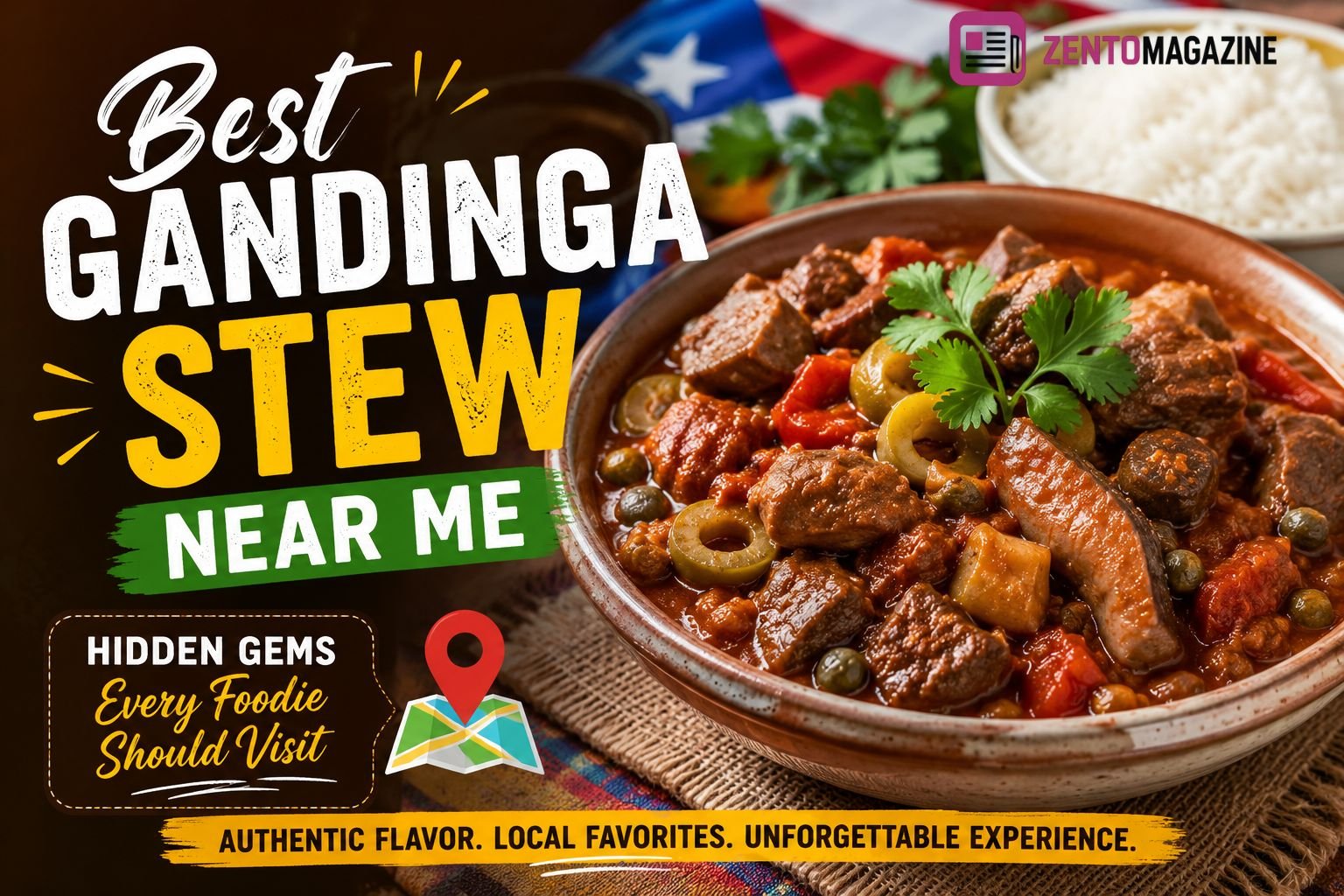
Searching for the best gandinga stew near me is more than a hunt for a filling meal. It is an opportunity to experience a traditional Puerto Rican dish with a bold flavor, a comforting texture, and a deep connection to Caribbean home cooking.
Gandinga is not commonly found in every restaurant. It is usually served by Puerto Rican eateries, neighborhood kitchens, food trucks, and family-run businesses that continue preparing recipes passed down through generations. This relative rarity makes finding a well-made bowl feel especially rewarding.
A traditional version is generally prepared with pork organ meats, including liver, heart, and kidney. These ingredients are slowly cooked with sofrito, tomato sauce, herbs, peppers, olives, capers, and seasonings until they develop a rich and savory character. Recipes vary between families and restaurants, so no two bowls taste exactly the same.
This guide explains what gandinga is, what makes it authentic, how to find excellent local options, and what to order alongside it.
What Is Gandinga Stew?
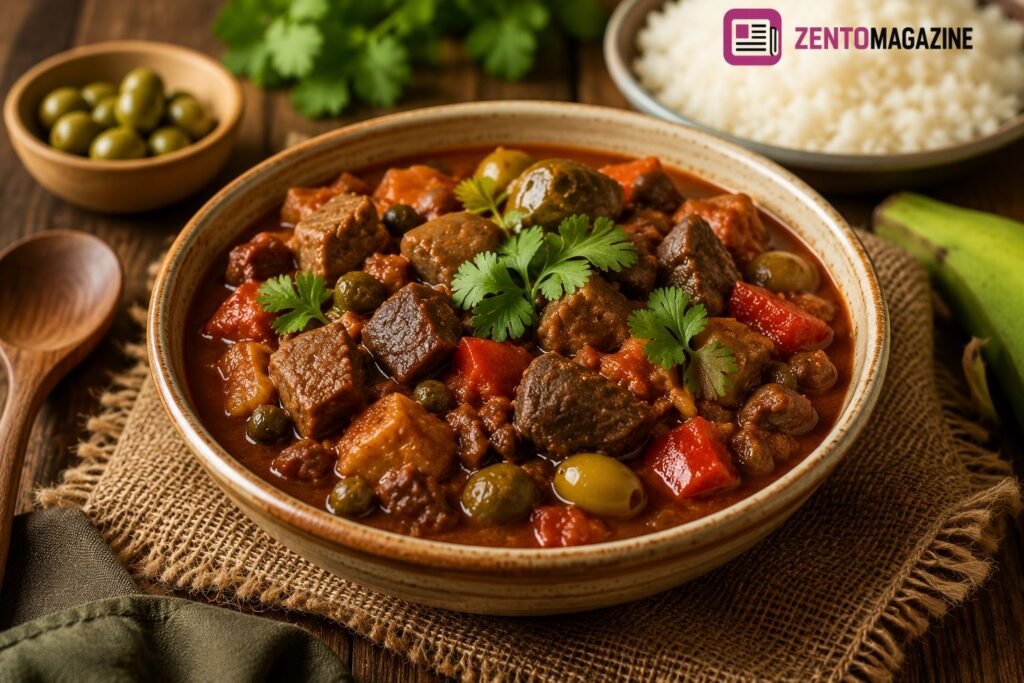
Gandinga is a traditional Puerto Rican stew made primarily with pork liver, heart, kidneys, or a combination of these organ meats. The meat is cut into manageable pieces and simmered in a seasoned sauce until tender.
The sauce usually begins with sofrito or recaíto, a fragrant blend of ingredients such as onion, garlic, sweet peppers, cilantro, and culantro. Tomato sauce, oregano, bay leaves, olives, capers, vinegar, and achiote oil may also be added.
Some cooks include potatoes, carrots, ham, chickpeas, or additional peppers. Others keep the recipe simple so the flavor of the meat remains at the center of the dish.
Gandinga has a deeper and more intense taste than an ordinary beef or chicken stew. The liver contributes an earthy richness, while the heart provides a firmer and meatier texture. Kidney can add another layer of flavor when it is cleaned and cooked properly.
The stew is usually served hot, often over white rice. The rice absorbs the sauce and helps balance the stronger taste of the organ meats.
Its Puerto Rican Roots
Gandinga is closely associated with Puerto Rican cooking and the island’s tradition of turning modest ingredients into satisfying meals.
Like many Caribbean dishes, it reflects a mixture of culinary influences. Puerto Rican cuisine developed through Indigenous Taíno practices, Spanish ingredients and cooking methods, and African food traditions. Braised dishes and stews became especially important because they allowed cooks to create flavorful family meals from ingredients that might otherwise be overlooked.
Historical discussions of Puerto Rican food connect dishes such as gandinga with the African influence on the island’s culinary identity. The use of pork scraps and inner parts also reflects a history in which cooks learned to make nourishing meals from every available part of an animal.
Over time, gandinga became more than a practical dish. It developed into a recognizable comfort food associated with family kitchens, local gatherings, neighborhood restaurants, and traditional celebrations.
Today, it may be harder to find than mofongo, arroz con gandules, or pernil. However, it remains an important part of Puerto Rican culinary heritage.
Why Gandinga Tastes Different
The strongest feature of gandinga is its complex, slow-developed flavor.
Organ meats do not taste like standard cuts of pork. Liver is mineral-rich, earthy, and slightly bitter. Heart is leaner, firmer, and closer in texture to conventional meat. Kidney has a distinctive character that requires careful cleaning and seasoning.
A skilled cook understands how to balance these flavors rather than hide them completely.
Citrus juice or vinegar may be used during preparation to clean and season the meat. Sofrito adds sweetness and aroma, tomato sauce brings acidity and body, and olives and capers provide salty, briny notes.
Oregano, bay leaves, black pepper, adobo, and other seasonings build warmth without necessarily making the dish spicy. Potatoes and carrots soften during cooking and absorb the surrounding sauce.
The final result should taste bold but balanced. It should not be overwhelmingly bitter, excessively salty, watery, or greasy.
What Makes It Authentic?
There is no single recipe followed by every Puerto Rican family. Authenticity is better judged by the quality of the preparation than by one fixed ingredient list.
A good gandinga usually begins with properly cleaned organ meat. Unwanted fat, tough membranes, veins, and connective tissue should be removed. Some cooks rinse or marinate the meat with lime juice, orange juice, or vinegar before seasoning it.
The aromatic base is equally important. Puerto Rican sofrito commonly includes culantro, cilantro, peppers, onion, and garlic. Family recipes may differ, but the mixture gives many Puerto Rican stews their recognizable fragrance.
Traditional recipes often include olives and capers, sometimes combined as alcaparrado. Tomato sauce, oregano, bay leaves, achiote oil, and cured pork may also be used to deepen the sauce.
Most importantly, the stew should be allowed enough time to cook. Rushing organ meats can leave them tough, harsh, or unevenly flavored. Gentle simmering helps the ingredients come together and produces a more satisfying texture.
How to Find the Best Gandinga Stew Near Me
Finding the best gandinga stew near me may require more effort than searching for a common restaurant dish. Many places do not serve it every day, and some prepare it only as a rotating special.
Start by searching for Puerto Rican restaurants rather than searching only for the dish. Useful terms include “Puerto Rican food near me,” “comida criolla near me,” “Puerto Rican stew,” and “gandinga de cerdo.”
Check the restaurant’s full menu, recent photographs, and social media updates. A printed online menu may not show weekend specials or limited dishes.
It is also worth calling the restaurant directly. Ask whether gandinga is available that day, what type of meat is used, and whether it comes with rice or side dishes.
Local Puerto Rican community groups can be valuable sources of information. People familiar with the dish often know about small businesses, home-based cooks, church events, festivals, and neighborhood kitchens that may not appear near the top of search results.
The best version may come from a modest counter-service restaurant rather than a highly advertised dining room.
Read Reviews Carefully
Customer reviews can help, but only when they are read with context.
Look for reviews that mention the stew by name. General comments about service, parking, or restaurant décor do not tell you whether the gandinga is good.
Useful reviews may describe the meat as tender, well-cleaned, richly seasoned, or similar to a homemade Puerto Rican recipe. Photographs can also reveal the sauce’s consistency, portion size, side dishes, and overall presentation.
Recent reviews deserve more attention than comments written several years ago. Restaurants can change cooks, recipes, suppliers, and menu schedules.
Do not reject a restaurant solely because it has a small number of reviews. Family-owned businesses and hidden neighborhood kitchens may have limited online visibility while still serving excellent food.
At the same time, repeated complaints about unpleasant odors, poor cleaning, undercooked ingredients, or inconsistent food handling should be taken seriously.
Explore Family-Owned Restaurants
Family-owned restaurants are often among the best places to find traditional gandinga.
These kitchens may rely on recipes learned from parents or grandparents rather than standardized commercial formulas. The food can feel more personal because it is prepared according to household preferences.
One restaurant may make a thick, tomato-forward stew with potatoes. Another may serve a darker sauce with a stronger emphasis on olives, capers, and herbs. A third may prepare gandinga with only liver and heart because kidney is less popular among local customers.
These differences are part of the experience.
Ask the staff how their version is prepared. Many owners are proud to explain whether the recipe comes from a particular Puerto Rican town, relative, or family tradition.
A short conversation can also help you learn which day the dish is freshest.
Check Food Trucks and Markets
Do not limit your search to traditional restaurants.
Puerto Rican food trucks, weekend markets, pop-up kitchens, community fairs, and cultural festivals sometimes serve dishes that are not available on regular restaurant menus.
Food trucks often announce daily specials online. Gandinga may appear in limited quantities, particularly during lunch hours or weekend events.
Community festivals can be especially useful because vendors may offer traditional home-style dishes alongside more familiar foods such as empanadillas, arroz con gandules, pernil, and pasteles.
Arriving early is a sensible idea. Specialty stews can sell out quickly because vendors prepare only a limited batch.
Signs of a Good Bowl
A quality bowl of gandinga should have an inviting savory aroma. Organ meat naturally has a distinctive scent, but the dish should not smell sour, spoiled, or poorly cleaned.
The sauce should cling lightly to the ingredients. It may be thick or moderately brothy depending on the recipe, but it should not look like plain water with separate pieces floating in it.
The liver should be cooked through without becoming dry and chalky. Heart should be tender enough to chew comfortably, though it may remain slightly firmer than liver. Kidney should be clean-tasting and free from an overpowering odor.
The seasoning should be layered. You may notice garlic, peppers, oregano, tomato, olives, capers, or bay leaf, but no single ingredient should completely dominate the dish.
A well-made serving often tastes even better when spooned over rice because the grains absorb the concentrated sauce.
Warning Signs to Notice
Not every bowl will be prepared well.
An extremely bitter flavor may suggest that the liver was overcooked or poorly balanced. Tough, rubbery pieces can indicate insufficient cooking time or improper trimming.
A strong unpleasant odor may mean that the kidneys or other organ meats were not cleaned carefully. Excessive oil on the surface can make the meal heavy, while too much salt may hide the natural flavor of the stew.
The dish should also arrive properly hot. Lukewarm stew is not only less enjoyable but may raise concerns about how it was held before serving.
Clean tables, attentive staff, covered food, and tidy service areas are positive signs, especially when ordering from markets or temporary stalls.
What to Order With It
White rice is the most natural companion for gandinga. Its mild flavor balances the strength of the stew and captures every spoonful of sauce.
Tostones are another excellent choice. These twice-fried green plantains provide a crisp contrast to the soft stew.
Sweet plantains work differently. Their caramelized sweetness can soften the earthy taste of liver and create a pleasant sweet-and-savory combination.
Avocado slices offer freshness and a creamy texture. A simple green salad or cabbage salad can also lighten the meal.
Some restaurants serve gandinga with boiled root vegetables, bread, rice and beans, or mofongo. Mofongo makes the meal especially hearty because its mashed plantain texture absorbs the stew’s sauce.
For a first experience, white rice and a simple side are usually the best choices. They allow you to focus on the gandinga itself.
Is Gandinga Spicy?
Gandinga is generally well-seasoned rather than intensely hot.
Traditional Puerto Rican cooking often uses sweet peppers, garlic, culantro, cilantro, oregano, black pepper, achiote, and adobo. These ingredients create depth without producing the sharp heat associated with hot chilies.
However, every restaurant has its own approach. Some cooks may add hot sauce, chili peppers, or a spicy seasoning blend.
Ask before ordering when you are sensitive to heat. You can also request hot sauce on the side so you control the intensity.
Nutrition and Portions
Because gandinga contains organ meats, it can provide protein and naturally occurring vitamins and minerals. Liver is particularly known for containing iron and vitamin B12.
However, the nutritional profile depends on the recipe, portion size, added oil, cured meat, bouillon, and salt. A restaurant version may contain considerable sodium, especially when olives, capers, ham, seasoning blends, and bouillon are used together.
Organ meats also have a strong flavor, so a moderate portion can be satisfying. Pairing the stew with rice, vegetables, salad, or avocado creates a more balanced plate.
People who have been advised to limit specific nutrients, sodium, cholesterol, or organ meat intake should follow guidance from a qualified medical professional rather than assuming every traditional dish fits their dietary needs.
Food Safety Matters
Proper handling is important whenever liver, heart, kidney, or other organ meats are prepared.
Raw organ meat should be kept separate from ready-to-eat foods. Utensils, cutting boards, and surfaces that touch raw meat should be cleaned carefully.
The USDA recommends cooking organ and variety meats such as liver, kidney, heart, and tongue to an internal temperature of 160°F, or about 71°C.
When reheating leftovers, the stew should be heated thoroughly rather than warmed only around the edges. Leftovers should also be refrigerated promptly in a suitable container.
At a restaurant, the gandinga should arrive steaming hot. When buying it for takeaway, refrigerate it if it will not be eaten soon.
Making Gandinga at Home
Preparing gandinga at home is possible, but it requires patience and attention to cleaning.
Begin by purchasing fresh pork liver, heart, kidney, or a prepared mixture from a trusted butcher. Trim away tough membranes, excess fat, tubes, and unwanted connective tissue.
Many traditional recipes rinse the meat and treat it briefly with citrus juice before draining and seasoning it. This step may improve the aroma and flavor, but citrus is not a substitute for proper cooking.
Sauté sofrito in oil until fragrant. Add tomato sauce, seasonings, olives, capers, and the prepared meat. Water or broth can then be added to create the desired amount of sauce.
Vegetables such as potatoes and carrots may be included later so they become tender without completely breaking apart.
Let the stew simmer until the organ meats are fully cooked and the flavors have blended. Taste near the end before adding extra salt, especially when using bouillon, olives, capers, ham, or prepared seasoning.
Homemade gandinga often improves after resting because the sauce continues to absorb the flavor of the ingredients.
Mistakes to Avoid
The first common mistake is failing to clean the organ meats properly. Careful trimming makes a major difference in taste and texture.
The second is cooking everything for the same amount of time without considering texture. Heart is firmer than liver and may require a different approach to become tender.
Another mistake is using too much salt early in the process. Olives, capers, ham, bouillon, adobo, and canned tomato products can all contribute sodium.
High heat can also cause problems. Aggressive boiling may toughen the meat or reduce the sauce too quickly. A steady simmer gives the dish time to develop.
Finally, do not expect gandinga to taste like ordinary pork stew. Its earthy character is part of its identity. The goal is to balance that flavor, not erase it.
How Much Should It Cost?
The price of gandinga depends on location, portion size, ingredients, and the type of business selling it.
A food truck or small lunch counter may offer it as part of an affordable plate with rice and a side. A full-service restaurant may charge more because of staffing, presentation, overhead, and larger portions.
Specialty preparation can also influence the price. Organ meats are not always expensive, but cleaning, trimming, slow cooking, and preparing a small batch require time.
Rather than choosing the cheapest option automatically, consider freshness, portion size, side dishes, restaurant hygiene, and the care given to preparation.
A slightly more expensive bowl can offer better value when it is properly cleaned, generously portioned, and deeply seasoned.
The Best Time to Visit
Ask the restaurant when gandinga is prepared.
Some businesses make it only on Fridays, weekends, or selected days. Others serve it as a lunch special until the batch is gone.
Visiting soon after the dish is prepared can provide the freshest texture. However, stew also benefits from a short resting period because the flavors have time to blend.
Avoid arriving just before closing unless the restaurant confirms availability. Specialty items may have sold out, or the remaining portion may have been held for several hours.
Calling ahead is the easiest way to avoid disappointment.
Enjoy the Search
Finding the best gandinga stew near me is partly about the food and partly about discovering the people who keep traditional recipes alive.
The most memorable serving may come from a busy Puerto Rican restaurant, a small neighborhood café, a family-run food truck, or a community event. Look beyond polished advertising and pay attention to recent reviews, local recommendations, daily specials, and the care visible in each plate.
A great gandinga should be richly seasoned, properly cooked, and served with a sauce that brings together the organ meat, sofrito, herbs, tomato, olives, and capers. It should feel hearty without being careless, bold without becoming harsh, and traditional without tasting outdated.
Order it with white rice, add plantains or avocado, and approach the dish with an open mind. Gandinga may not be as widely known as other Puerto Rican favorites, but a carefully prepared bowl offers a distinctive taste of the island’s culinary history.
For adventurous food lovers, that makes every local search worthwhile.
Frequently Asked Questions
What is Gandinga stew made from?
Gandinga stew is a traditional Puerto Rican dish typically made with pork liver, heart, and kidneys. These are slow-cooked with sofrito, tomato sauce, herbs, olives, capers, and seasonings to create a rich and flavorful stew.
Where can I find the best gandinga stew near me?
The best gandinga stew is often found at authentic Puerto Rican restaurants, family-owned eateries, local food trucks, and community food festivals. Reading recent customer reviews and asking locals can help you discover hidden gems.
What should I serve with Gandinga stew?
Gandinga stew is most commonly served with white rice, but it also pairs well with fried plantains, avocado slices, mofongo, fresh salad, or crusty bread for a complete and satisfying meal.
Is Gandinga stew spicy?
Traditional Gandinga stew is usually savory rather than spicy. Most recipes focus on aromatic herbs and seasonings, though some restaurants may offer a spicier version depending on their cooking style.
Can I make Gandinga stew at home?
Yes. With fresh ingredients, proper cleaning of the organ meats, and traditional Puerto Rican seasonings, you can prepare an authentic Gandinga stew at home. Slow cooking is the key to achieving its rich flavor and tender texture.
