

Introduction
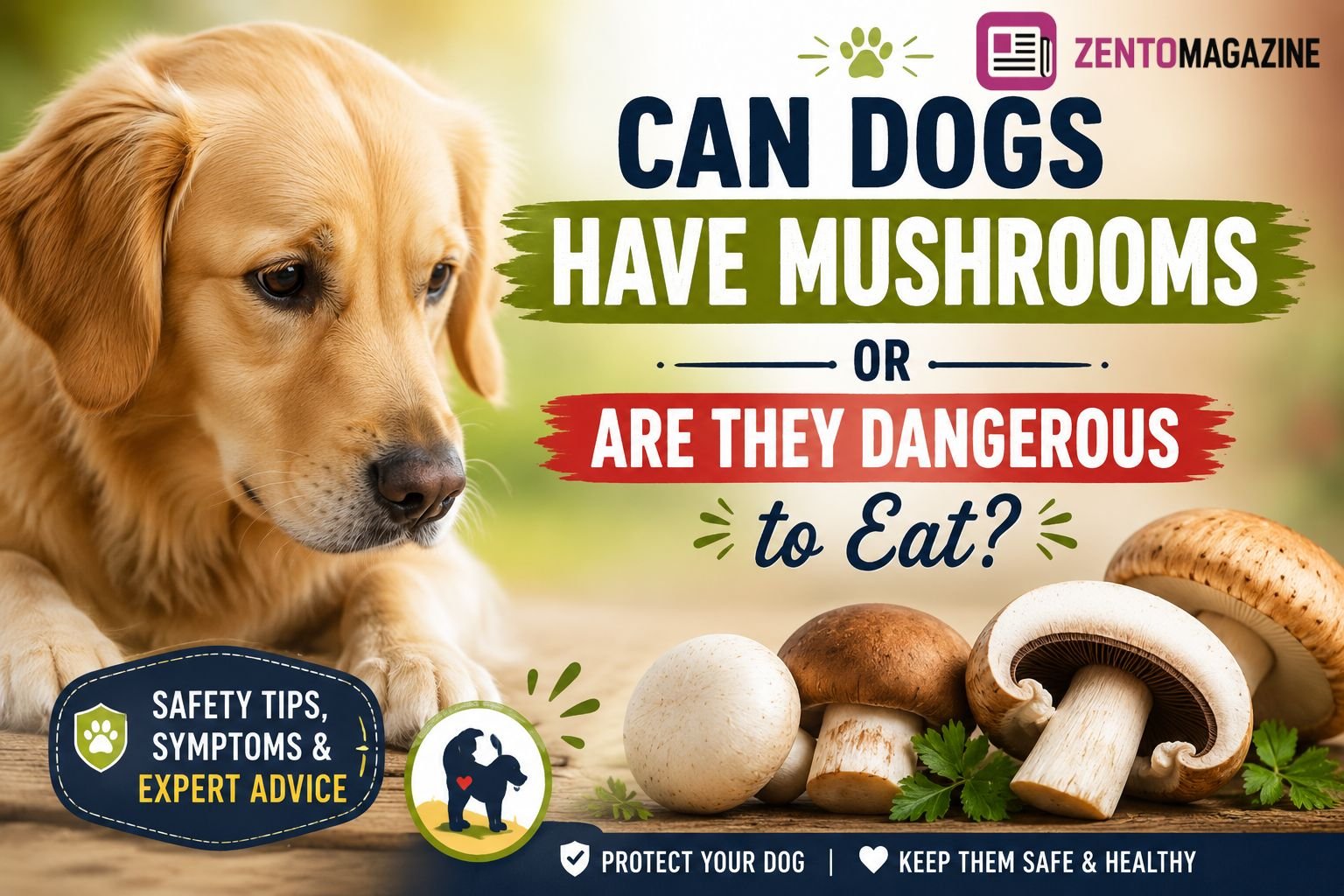
Many dog owners have experienced that moment of panic when they see their pet sniffing or chewing something unusual during a walk. One common concern involves mushrooms. Mushrooms can appear in backyards, parks, forests, and even gardens after rainfall. Because some mushrooms are safe for humans while others are highly toxic, many pet owners wonder: can dogs have mushrooms safely, or are they dangerous to eat?
The answer is not completely straightforward. Some mushrooms are considered safe for dogs in small amounts, while others can cause severe illness and even become life-threatening. Understanding the difference is important for every responsible dog owner.
This guide explains the risks, symptoms, prevention tips, and steps to take if your dog eats a mushroom.
What Happens If a Dog Eats a Mushroom?

When a dog eats a mushroom, the outcome depends on several factors. The species of mushroom, the amount consumed, and the size of the dog all play important roles.
Some dogs may eat a small piece of a store-bought mushroom and experience no problems at all. Others may consume a toxic wild mushroom and develop serious symptoms within hours.
Because it is often difficult to identify mushrooms correctly, veterinarians generally recommend treating any unknown mushroom ingestion as a potential emergency.
Dogs are naturally curious animals. They explore the world with their noses and mouths, making accidental mushroom consumption more common than many owners realize.
Factors That Influence the Risk
Not every mushroom affects dogs in the same way. Several factors determine whether the situation is dangerous.
Type of Mushroom
The mushroom species is the most important factor. Some varieties are harmless, while others contain toxins that affect the liver, kidneys, digestive system, or nervous system.
Amount Consumed
A tiny bite may cause mild stomach upset, while a larger amount can lead to severe poisoning. Toxic mushrooms are especially dangerous because even small quantities may trigger serious reactions.
Dog’s Size and Health
Smaller dogs generally face greater risks because toxins become more concentrated in their bodies. Puppies, senior dogs, and pets with existing health conditions may also be more vulnerable.
Can Dogs Have Store-Bought Mushrooms?
One of the most common questions pet owners ask is whether dogs can eat mushrooms purchased from a grocery store.
In many cases, commercially grown mushrooms such as white button mushrooms, cremini mushrooms, and portobello mushrooms are considered non-toxic to dogs.
These mushrooms are cultivated under controlled conditions and do not contain the dangerous toxins found in many wild species.
However, this does not mean mushrooms should become a regular part of a dog’s diet. Dogs have different nutritional needs than humans, and mushrooms are not essential for canine health.
Plain mushrooms are generally safer than mushrooms prepared with seasonings, oils, butter, garlic, or onions. Many ingredients commonly used in human cooking can be harmful to dogs.
Are Cooked Mushrooms Better Than Raw?
Cooked mushrooms are often easier for dogs to digest than raw mushrooms.
Cooking softens the mushroom tissue and may reduce the chance of digestive discomfort. However, cooking does not make toxic mushrooms safe. If a mushroom contains dangerous toxins, heat usually does not eliminate them.
When offering any mushroom to a dog, it should be plain, thoroughly cooked, and served in very small amounts.
Even with safe varieties, moderation is important. Too much can lead to stomach upset, diarrhea, or vomiting.
Why Wild Mushrooms Are Dangerous
Wild mushrooms present the greatest risk to dogs.
Unlike grocery store mushrooms, wild mushrooms can be difficult to identify accurately. Many toxic species closely resemble edible varieties. Even experienced mushroom hunters occasionally make mistakes.
Dogs do not know which mushrooms are safe and which are dangerous. They may bite or swallow mushrooms growing in yards, parks, forests, or trails without hesitation.
This uncertainty is why veterinarians advise avoiding all wild mushrooms.
A mushroom that appears harmless may contain toxins capable of causing severe organ damage. Since quick identification is often impossible, immediate veterinary evaluation is usually recommended.
Toxic Mushrooms Commonly Found Outdoors
Several poisonous mushroom species have been associated with severe poisoning in dogs.
Some affect the digestive system and cause intense vomiting and diarrhea. Others attack the liver or kidneys, potentially leading to organ failure.
Certain mushrooms contain neurotoxins that affect the brain and nervous system. These toxins may trigger tremors, confusion, seizures, or abnormal behavior.
The danger lies in the fact that toxic mushrooms often look ordinary. Their appearance alone rarely provides reliable information about safety.
Signs of Mushroom Poisoning
Recognizing symptoms early can make a major difference in treatment outcomes.
The timing and severity of symptoms depend on the type of mushroom involved.
Some dogs show signs within 15 to 30 minutes. Others may not become sick for several hours.
Common symptoms include:
- Vomiting
- Diarrhea
- Excessive drooling
- Loss of appetite
- Weakness
- Lethargy
- Abdominal pain
These symptoms may appear mild initially but can worsen rapidly.
Serious Warning Signs
Certain symptoms indicate a more severe reaction and require immediate veterinary care.
These warning signs include:
- Tremors
- Seizures
- Difficulty walking
- Loss of coordination
- Extreme weakness
- Difficulty breathing
- Yellowing of the eyes or gums
- Collapse
- Unconsciousness
Any of these symptoms should be treated as an emergency.
Delaying treatment can significantly increase the risk of complications.
What to Do If Your Dog Eats a Mushroom
Discovering that your dog has eaten a mushroom can be frightening, but staying calm is important.
Quick action often improves the chances of a successful outcome.
First, prevent your dog from eating any additional mushrooms.
Remove any remaining pieces if it is safe to do so.
Try to determine when the mushroom was eaten and approximately how much was consumed.
If possible, take photographs of the mushroom from different angles. Pictures may help experts identify the species.
Avoid touching unknown mushrooms with bare hands if you are unsure of their toxicity.
Contact a Veterinarian Immediately
Even if your dog appears normal, contacting a veterinarian is the safest choice.
Many toxic mushrooms do not cause symptoms right away. Waiting for signs to appear may delay critical treatment.
A veterinarian can evaluate the situation based on the dog’s size, medical history, and exposure details.
They may recommend monitoring, examination, diagnostic testing, or emergency treatment depending on the circumstances.
Professional guidance is especially important when the mushroom cannot be identified confidently.
Why Early Treatment Matters
Early intervention often provides the best chance of recovery.
Veterinarians may use treatments designed to reduce toxin absorption before severe symptoms develop.
Once toxins begin damaging organs, treatment becomes more complicated.
This is particularly true for mushrooms that affect the liver or kidneys.
Prompt action can prevent complications and improve overall outcomes.
Safe Alternatives to Mushrooms
If you want to give your dog healthy treats, many safer options are available.
Dogs generally benefit more from vegetables and fruits specifically known to be dog-friendly.
Popular choices include:
- Carrots
- Green beans
- Cucumbers
- Pumpkin
- Sweet potatoes
- Peas
These foods provide vitamins, fiber, and nutrients without the uncertainty associated with mushrooms.
Always introduce new foods gradually and consult your veterinarian if you have concerns.
Healthy Treat Options
Commercial dog treats formulated by pet nutrition experts are often the safest choice.
Many high-quality treats contain ingredients selected specifically for canine digestion and health.
Fresh vegetables can also serve as low-calorie rewards during training sessions.
Choosing known safe foods helps eliminate unnecessary risks.
Preventing Mushroom Accidents
Prevention is often easier than treatment.
Regularly inspecting your yard can reduce the likelihood of accidental mushroom ingestion.
Mushrooms frequently appear after rain, especially in shaded areas with moist soil.
Removing mushrooms promptly can help keep curious dogs safe.
Always dispose of mushrooms carefully and keep them out of reach.
Supervise Outdoor Activities
Supervision plays an important role in preventing mushroom-related accidents.
Pay attention during walks, hikes, and outdoor play sessions.
Dogs often investigate unfamiliar objects quickly, giving owners little time to react.
Teaching reliable commands such as “leave it” can help prevent dangerous encounters.
Training provides an additional layer of protection when exploring areas where mushrooms may grow.
Common Myths About Dogs and Mushrooms
Many misconceptions surround mushroom safety.
One common myth is that all mushrooms are toxic. In reality, many mushrooms are harmless, including several grocery store varieties.
Another myth suggests that dogs instinctively avoid poisonous mushrooms. Unfortunately, dogs do not reliably distinguish between safe and toxic mushrooms.
Some owners also believe that a small amount cannot cause harm. While this may be true for certain mushrooms, highly toxic species can cause serious illness even in small quantities.
Understanding these myths can help owners make safer decisions.
When Mushrooms May Be Included in a Dog’s Diet
Some premium dog foods contain mushroom ingredients.
Manufacturers occasionally include specific mushroom varieties for their nutritional properties.
These products are formulated by professionals and undergo safety testing before reaching consumers.
This differs greatly from feeding random mushrooms found outdoors.
Owners should never assume that because mushrooms appear in commercial pet food, all mushrooms are safe.
Can Dogs Have Watermelon With Seeds? Important Facts to Read
Conclusion
So, can dogs have mushrooms? The safest answer is that some store-bought mushrooms may be safe in small amounts, but wild mushrooms should always be considered potentially dangerous.
Because toxic mushrooms can cause severe illness, organ damage, and even death, caution is essential. Dogs cannot identify poisonous mushrooms, and many harmful species closely resemble harmless ones.
If your dog eats an unknown mushroom, contact a veterinarian immediately rather than waiting for symptoms to develop. Early action can make a significant difference in recovery.
By supervising outdoor activities, removing mushrooms from your yard, and choosing safer treat alternatives, you can greatly reduce the risk of mushroom-related emergencies and help keep your dog healthy and safe.
Frequently Asked Questions
Can dogs have mushrooms from the grocery store?
Yes, some store-bought mushrooms such as white button, cremini, and portobello mushrooms are generally considered safe for dogs when served plain and in small amounts. Avoid adding seasonings, garlic, or onions.
What should I do if my dog eats a wild mushroom?
Contact your veterinarian immediately. If possible, take a photo of the mushroom and note how much your dog ate. Quick action can help prevent serious health complications.
How long does it take for mushroom poisoning symptoms to appear in dogs?
Symptoms can appear within 15 minutes or may take several hours, depending on the mushroom species. Some toxic mushrooms cause delayed but severe reactions.
Are all mushrooms dangerous for dogs?
No, not all mushrooms are dangerous. Many commercially grown mushrooms are non-toxic. However, wild mushrooms can be difficult to identify, so they should always be treated as potentially harmful.
Can a small piece of a toxic mushroom harm a dog?
Yes, certain poisonous mushrooms contain powerful toxins, and even a small amount may cause serious illness. The risk depends on the mushroom type, the amount eaten, and the dog’s size.
