


Watermelon feels like the perfect summer snack. It is juicy, sweet, cold, and refreshing. Naturally, many dog owners wonder the same thing while cutting a slice: can dogs have watermelon too?
The simple answer is yes, dogs can eat watermelon, but only when it is prepared the right way. The red flesh is usually safe for most healthy dogs, but the seeds and rind are not something you should casually ignore.
A few tiny seeds may not cause panic, but letting your dog eat watermelon with seeds regularly is not a good habit. Dogs do not digest seeds the same way humans do, and in some cases, seeds can create stomach trouble or even blockage concerns, especially in smaller breeds.
So, before you hand over that juicy piece, let’s look at what really matters.
| Label | Information |
|---|---|
| Topic | Can Dogs Have Watermelon |
| Content Type | Pet Health Guide |
| Main Focus | Watermelon Safety for Dogs |
| Safe for Dogs | Yes, in moderation |
| Seed Risk | May cause digestive issues |
| Rind Safety | Not recommended |
| Best Option | Seedless watermelon |
| Key Benefit | Hydration support |
| Nutrients | Vitamins A, B6, and C |
| Serving Method | Small, seed-free pieces |
| Suitable For | Most healthy dogs |
| Main Warning | Avoid seeds and rind |
| Expert Advice | Offer as an occasional treat |
Can Dogs Have Watermelon?
Yes, dogs can have watermelon in small, controlled portions. The soft red fruit is mostly water, which makes it a refreshing treat during hot weather. It is also low in calories compared to many processed dog treats.
Watermelon contains useful nutrients such as vitamin A, vitamin B6, vitamin C, potassium, and antioxidants. These nutrients can support general health when given as part of a balanced diet.
Still, watermelon should never replace your dog’s regular food. It is a treat, not a main meal. Dogs need a complete diet made for their age, size, activity level, and health needs.
The safest way to serve watermelon is simple: remove the seeds, remove the rind, and cut the fruit into small pieces.
Can Dogs Have Watermelon With Seeds?
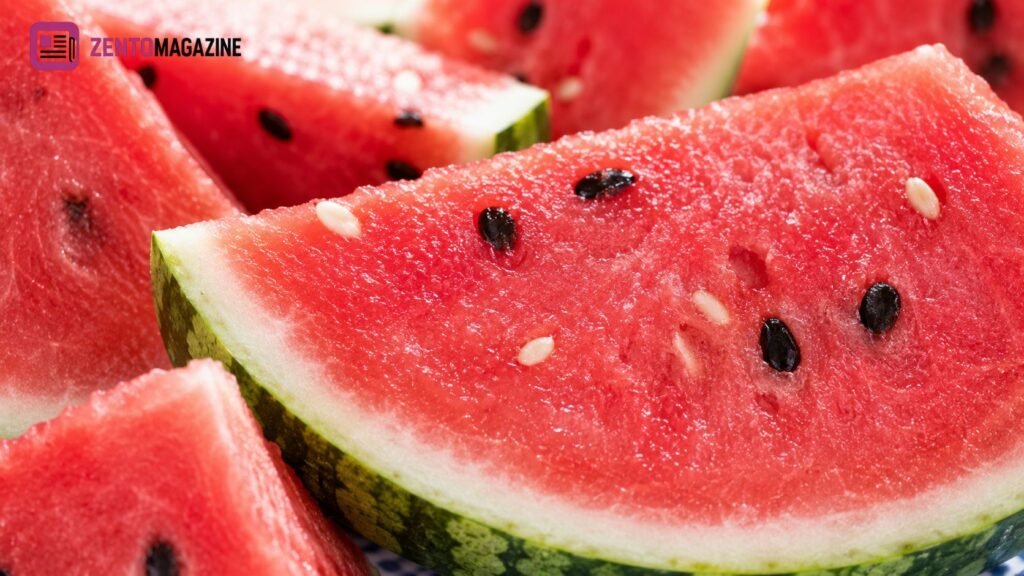
This is where pet owners need to be careful. Dogs should not intentionally eat watermelon with seeds. The seeds are not considered highly toxic like grapes or raisins, but they can still cause problems.
Black watermelon seeds are firm and harder to digest. If a dog eats many of them, they may pass through the body without trouble, but they may also irritate the stomach or contribute to digestive blockage.
Small dogs are at higher risk because their digestive tracts are narrower. A handful of seeds that might pass through a large dog could be more concerning for a toy breed or puppy.
So, can dogs have watermelon if it has seeds in it? Technically, the red fruit is safe, but the seeds should be removed before serving.
Why Seeds Can Be Risky
Watermelon seeds are small, but size does not always mean harmless. Dogs often swallow food quickly without chewing properly. That means seeds can go into the digestive system whole.
One or two seeds accidentally swallowed are usually not a major emergency. Many dogs pass them without any issue. The concern grows when a dog eats a larger amount of seeds, especially from a seeded watermelon slice.
Seeds may cause mild stomach upset, including gas, discomfort, vomiting, or diarrhea. In more serious cases, they may contribute to an intestinal blockage. This is more likely in smaller dogs, puppies, or dogs that already have digestive problems.
If your dog eats a lot of watermelon seeds and then seems uncomfortable, do not ignore it. Watch closely and contact your vet if symptoms appear.
Black Seeds vs White Seeds
Not all watermelon seeds are exactly the same. Black seeds are mature seeds. They are harder, darker, and more developed. These are the ones pet owners should be most careful about.
White seeds are softer and less mature. They are often found in seedless watermelon. While they are generally less concerning than black seeds, it is still better not to make a habit of feeding them.
If you are preparing watermelon for your dog, choose seedless watermelon when possible. Even then, check the pieces before serving. Seedless does not always mean completely seed-free.
A little care before feeding can prevent a lot of stress later.
What If Your Dog Eats Seeds?
First, stay calm. If your dog ate a few watermelon seeds by accident, it will likely be fine. Keep an eye on your dog for the next day or two.
Look for signs such as vomiting, diarrhea, lack of appetite, bloating, repeated whining, restlessness, or trouble passing stool. These can be signs of digestive upset.
If your dog is small, ate many seeds, or starts acting strangely, call your veterinarian. It is always better to ask early instead of waiting until the problem becomes serious.
Also, do not try to force your dog to vomit unless a vet tells you to. Home remedies can sometimes make things worse.
Can Puppies Eat Watermelon?
Puppies can eat small amounts of seedless watermelon, but extra care is needed. Their stomachs are more sensitive, and they are still adjusting to different foods.
For puppies, start with a very tiny piece. Remove every seed and all rind. Then watch how the puppy reacts.
If the puppy gets loose stool, gas, or vomiting, stop feeding watermelon and speak with your vet if needed. Puppies need balanced nutrition for growth, so fruit treats should stay very limited.
The question is not only can dogs have watermelon, but whether your specific dog or puppy can tolerate it well.
Why the Rind Is Not Safe
Watermelon rind is the green and white outer part of the fruit. It is tough, fibrous, and difficult for dogs to digest.
Some dogs may chew on rind like a toy, but that does not make it safe. Pieces of rind can cause choking, stomach upset, vomiting, or intestinal blockage.
The rind is especially risky for dogs that gulp food quickly. A large swallowed piece may not break down properly.
Always remove the rind before giving watermelon to your dog. Only the soft red flesh should be served.
Benefits of Watermelon for Dogs
When prepared safely, watermelon can be a nice occasional treat. Its biggest benefit is hydration. Since watermelon contains a very high amount of water, it can help your dog feel refreshed on warm days.
It is also naturally sweet, which many dogs enjoy. Instead of giving high-calorie biscuits or fatty table scraps, a few small watermelon cubes can be a lighter choice.
Watermelon also provides vitamins and antioxidants. These are not a replacement for dog food, but they can add a small nutritional bonus.
The key word here is moderation. Too much of any fruit can upset a dog’s stomach.
How Much Watermelon Can Dogs Eat?
Serving size depends on the dog. A tiny dog does not need the same amount as a large breed.
For small dogs, one or two small cubes may be enough. Medium dogs can usually have a few small pieces. Large dogs may enjoy a small handful of cubes, depending on their diet and tolerance.
A good rule is that treats should only make up a small part of a dog’s daily calories. Your dog’s main nutrition should still come from balanced dog food.
If your dog is overweight, diabetic, or has a sensitive stomach, ask your vet before offering sweet fruits.
How to Prepare Watermelon Safely
Start with fresh watermelon. Wash the outside before cutting, because bacteria from the rind can transfer to the knife and fruit.
Cut the watermelon open and remove the rind completely. Then take out all visible black seeds. If using seedless watermelon, still check for small seeds.
Cut the red flesh into bite-sized cubes. The pieces should be small enough for your dog to chew and swallow safely.
You can serve it fresh, chilled, or frozen in small pieces. Frozen watermelon can be a fun summer treat, but avoid giving large frozen chunks because they may be hard on teeth or become a choking risk.
Can Dogs Eat Watermelon Every Day?
It is better not to feed watermelon every day. Even healthy treats can become a problem when offered too often.
Watermelon contains natural sugar. While it is not the same as candy, too much fruit sugar is still not ideal for dogs. Large amounts can also cause loose stools.
Offer watermelon occasionally, especially during warm weather or as a small reward. Your dog does not need it daily to stay healthy.
Variety and balance matter more than repeating the same snack over and over.
Signs Watermelon Does Not Suit Your Dog
Most dogs tolerate small amounts of watermelon well, but not every dog reacts the same way.
Watch for vomiting, diarrhea, drooling, gas, stomach noises, low energy, or refusal to eat. These signs may mean your dog’s stomach does not agree with watermelon.
If symptoms are mild and pass quickly, simply avoid feeding watermelon again. If symptoms are severe or continue, contact your vet.
Also, if your dog shows signs of pain, bloating, repeated vomiting, or difficulty passing stool, take it seriously.
Dogs With Health Conditions
Some dogs need more careful food choices. Dogs with diabetes, obesity, pancreatitis history, or digestive disorders should not be given new treats without guidance.
Watermelon is low in fat, but it still contains sugar. For a healthy dog, a few pieces are usually fine. For a dog with medical issues, even simple treats may need limits.
Senior dogs may also have more sensitive digestion. Give them very small amounts and watch closely.
When in doubt, your veterinarian is the best person to ask because they know your dog’s health history.
Safer Fruit Options for Dogs
Watermelon is not the only fruit dogs can enjoy. Apples without seeds, blueberries, strawberries, bananas, and cantaloupe can also be safe in small portions.
Each fruit should be prepared properly. Apple seeds should be removed. Banana should be given in small amounts. Strawberries should be washed and cut.
Introduce one fruit at a time. That way, if your dog has a reaction, you know what caused it.
Keep fruit plain. Do not add sugar, syrup, salt, spices, whipped cream, or chocolate.
Fruits Dogs Should Avoid
Some fruits are unsafe for dogs and should never be treated casually. Grapes and raisins are especially dangerous and can cause serious health problems.
Cherries are also risky because of pits and possible toxic parts. Avocado is often not recommended because it can cause stomach upset and contains compounds that may be harmful to some animals.
Fruit pits, seeds, and tough skins are often where problems begin. Even when the fruit flesh is safe, the wrong part of the fruit may not be.
This is why preparation matters so much.
Common Myths About Watermelon
One common myth is that watermelon seeds are poisonous to dogs. That is not exactly accurate. The bigger concern is digestion and blockage, not typical poisoning.
Another myth is that dogs can eat unlimited watermelon because it is mostly water. This is also wrong. Too much watermelon can still cause stomach upset and add unnecessary sugar.
Some people also assume watermelon rind is fine because dogs like chewing it. But chewing something and safely digesting it are two different things.
A safe treat is not just about what dogs enjoy. It is about what their bodies can handle.
Simple Feeding Tips
Always start small. Even if your dog begs for more, give a small portion first and see how they react.
Use watermelon as a treat, not a habit. Keep it plain and fresh. Remove seeds and rind every single time.
Do not feed watermelon from fruit salads if they include grapes, sweeteners, or other unsafe ingredients.
And remember, can dogs have watermelon is only the first question. The better question is: how can you serve it safely?
White Dove Benjamin Moore Review: Is It the Right White?
FAQ
Can one watermelon seed hurt my dog?
One seed is unlikely to harm most dogs. Still, it is better to remove seeds before feeding watermelon. If your dog eats many seeds or shows discomfort, contact your vet.
Can dogs eat seedless watermelon?
Yes, seedless watermelon is usually the better option for dogs. Still, check for small white or soft seeds and remove the rind before serving.
Can dogs eat frozen watermelon?
Yes, dogs can eat small frozen watermelon pieces. Make sure they are seedless, rind-free, and not too large. Large frozen chunks can be a choking risk.
Can dogs have watermelon rind?
No, dogs should not eat watermelon rind. It is tough to digest and may cause vomiting, diarrhea, choking, or blockage.
How often can dogs eat watermelon?
Dogs can eat watermelon occasionally as a treat. It should not be served every day or in large amounts.
Conclusion
So, can dogs have watermelon safely? Yes, they can, as long as it is served the right way. The red flesh is usually safe, refreshing, and enjoyable for many dogs.
The seeds and rind are the parts you need to avoid. Seeds can create digestive concerns, especially in smaller dogs, while rind is tough and difficult to digest.
A few small cubes of seedless, rind-free watermelon can be a lovely warm-weather snack. Just keep portions modest, watch your dog’s reaction, and treat watermelon as a bonus, not a daily food.
In the end, a little preparation makes all the difference. Your dog gets a tasty treat, and you get peace of mind.
