


Choosing a dog is one of the most rewarding decisions a person can make, but it is also a commitment that can last well over a decade. While many people are drawn to small dog breeds because of their adorable appearance and manageable size, selecting the right breed involves much more than choosing the cutest puppy.
Every dog has unique needs, personality traits, and energy levels. Some small dogs thrive in active households, while others prefer a calm environment and plenty of time on the couch. Understanding how a breed fits into your daily routine is the key to building a happy and lasting relationship.
If you’re considering bringing a small dog into your home, this guide will help you find the breed that best matches your lifestyle, living situation, and expectations.
| Label | Information |
|---|---|
| Topic | Small Dog Breeds |
| Article Focus | Choosing the right breed for your lifestyle |
| Dog Size | Typically under 22 pounds |
| Best For | Apartments, small homes, and families |
| Activity Level | Varies by breed |
| Grooming Needs | Low to high, depending on breed |
| Training Difficulty | Generally moderate |
| Family Friendly | Many breeds are excellent with children |
| Good for Seniors | Several calm breeds fit senior lifestyles |
| Lifespan | Usually 10–16 years |
| Main Consideration | Match the breed to your daily routine |
| Common Traits | Loyal, affectionate, and adaptable |
| Goal of the Guide | Help readers find the ideal companion |
What Are Small Dog Breeds?
Small dog breeds generally weigh less than 22 pounds and stand under 16 inches tall at the shoulder. Despite their compact size, these dogs come with a wide variety of personalities, temperaments, and care requirements.
Many people choose small dog breeds because they are easier to accommodate in apartments, require less space, and are often more portable than larger dogs. However, small size does not necessarily mean low maintenance.
Some small breeds require extensive grooming, daily exercise, and regular mental stimulation. Others are relatively easygoing and adapt well to different lifestyles.
The key is finding a breed that aligns with your everyday routine rather than simply choosing one based on appearance.
Why Lifestyle Matters More Than Appearance
One of the most common mistakes prospective dog owners make is selecting a dog based solely on looks. A beautiful coat, expressive eyes, or a tiny frame may capture your attention, but those features do not determine whether the dog will fit into your life.
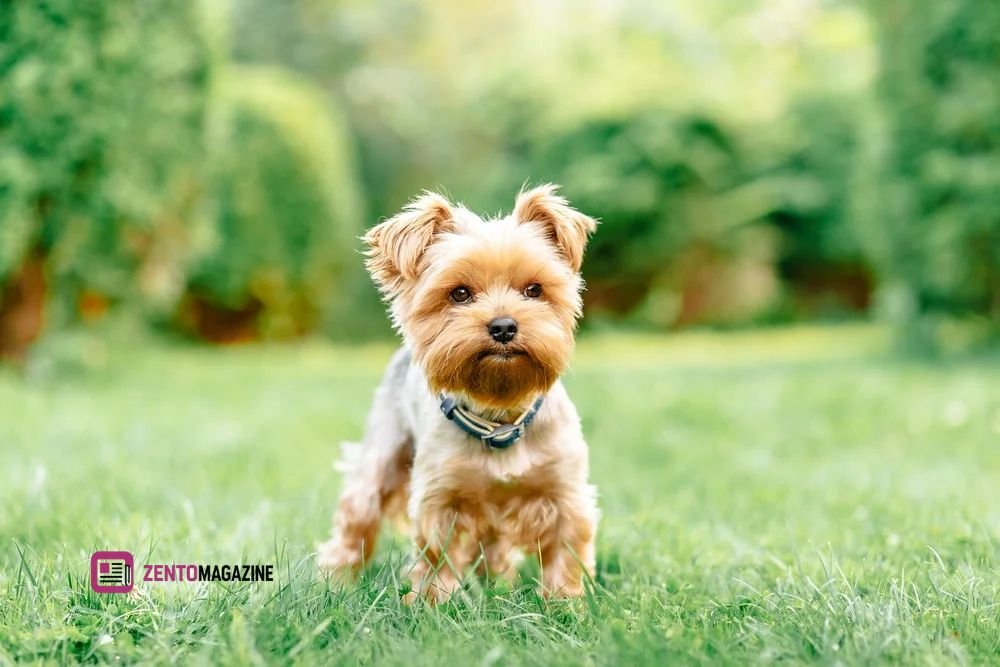
A highly energetic breed may struggle in a home where owners work long hours. Likewise, a dog that craves constant companionship may become anxious if left alone frequently.
The best dog for you is not necessarily the most popular breed—it is the breed that matches your lifestyle, schedule, and personality.
When choosing among small dog breeds, focus on practical factors such as activity level, grooming needs, temperament, and long-term care requirements.
Consider Your Living Space
Your home environment plays a major role in determining which small dog breed will thrive.
People living in apartments often prefer breeds that are relatively quiet and adaptable. Breeds such as the Shih Tzu, Cavalier King Charles Spaniel, and French Bulldog are known for adjusting well to smaller living spaces.
If you have a house with a fenced yard, you may have more flexibility. Active breeds like the Jack Russell Terrier or Miniature Schnauzer can benefit from extra outdoor space where they can burn energy.
However, it is important to remember that even dogs with access to a yard still need daily interaction, exercise, and mental enrichment.
A yard should complement exercise, not replace it.
Evaluate Your Activity Level
Before choosing a dog, honestly assess your daily activity level.
Do you enjoy long walks, hiking, jogging, or outdoor adventures? Or do you prefer quiet evenings and relaxed weekends?
Active individuals often do well with energetic small dog breeds such as:
- Jack Russell Terrier
- Miniature Pinscher
- Toy Fox Terrier
- Rat Terrier
These breeds typically enjoy physical challenges and regular exercise.
For people with a more relaxed lifestyle, lower-energy breeds may be a better fit. Examples include:
- Shih Tzu
- Pekingese
- Pug
- Cavalier King Charles Spaniel
These dogs still need exercise, but they are generally content with shorter walks and indoor companionship.
Matching your dog’s energy level to your own is one of the most important factors in successful pet ownership.
Think About Your Daily Schedule
Time is another critical consideration when selecting among small dog breeds.
Some breeds are highly independent and tolerate being alone for moderate periods. Others become stressed or destructive when left without companionship.
If you work from home, you may enjoy breeds that thrive on human interaction, such as:
- Havanese
- Maltese
- Bichon Frise
These dogs often form strong bonds with their owners and enjoy constant companionship.
If you spend long hours away from home, you may want to consider breeds that are slightly more independent. Even then, every dog requires attention, exercise, and socialization.
Dogs are social animals, and prolonged isolation can negatively affect their well-being.
Families, Singles, and Seniors
Different life stages often require different canine companions.
Families with children generally benefit from friendly and patient breeds. The Cavalier King Charles Spaniel is often praised for its gentle temperament and affectionate nature. Boston Terriers and Beagles can also be excellent family companions.
Singles and couples may have greater flexibility when choosing a breed. Many small dog breeds adapt well to one- or two-person households and form exceptionally strong bonds with their owners.
For seniors, calm and affectionate breeds are often ideal. Shih Tzus, Maltese, and Pugs tend to offer companionship without demanding excessive physical activity.
Regardless of age or household size, choosing a breed whose temperament matches your lifestyle will contribute significantly to long-term happiness.
Grooming Requirements Matter
Many people underestimate the time and expense associated with grooming.
Some small dog breeds require only occasional brushing and routine bathing. Others need professional grooming every few weeks to maintain healthy coats.
Low-maintenance breeds include:
- Chihuahua
- Boston Terrier
- Pug
- Dachshund
These dogs generally have short coats that require minimal upkeep.
On the other hand, breeds such as the Maltese, Yorkshire Terrier, and Shih Tzu require regular brushing to prevent tangles and matting.
Before choosing a breed, ask yourself:
- How much time can I dedicate to grooming?
- Am I willing to budget for professional grooming services?
- Do I prefer a low-maintenance coat?
Being realistic about grooming commitments can prevent frustration later.
King Cane Corso Dogs: Surprising Facts Most Owners Miss
Understanding Temperament
Temperament often has a greater impact on daily life than physical appearance.
Some small dog breeds are naturally outgoing and friendly. Others tend to be more reserved or protective.
For example, the Havanese and Cavalier King Charles Spaniel are known for their sociable personalities. They generally enjoy meeting new people and adapt well to different environments.
Chihuahuas, while affectionate with their families, can sometimes be cautious around strangers.
Miniature Schnauzers are alert and intelligent, making them excellent watchdogs despite their small size.
Understanding a breed’s natural temperament helps ensure a better match between dog and owner.
Frequently Asked Questions
What is the best small dog breed for first-time owners?
Breeds like the Cavalier King Charles Spaniel, Bichon Frise, and Shih Tzu are often recommended for first-time owners. They are generally friendly, adaptable, and easier to manage compared to more demanding breeds.
Which small dog breeds are best for apartment living?
Many small dog breeds thrive in apartments, including French Bulldogs, Pugs, and Shih Tzus. These breeds typically require less space and can adapt well to indoor living when given regular exercise.
Are small dog breeds easier to care for than large dogs?
Small dog breeds often require less food and living space, but they still need proper training, exercise, grooming, and veterinary care. The level of care depends more on the breed’s needs than its size.
What small dog breed requires the least grooming?
Short-haired breeds such as Chihuahuas, Boston Terriers, and Pugs generally need minimal grooming. Regular brushing and occasional baths are usually enough to keep their coats healthy.
How do I know which small dog breed fits my lifestyle?
Consider your activity level, living space, daily schedule, budget, and grooming preferences. Choosing a breed whose temperament and care requirements match your routine will lead to a happier experience for both you and your dog.
